House Exterior Lighting Installation: Complete Guide, Benefits, and Real-World Examples
House exterior lighting installation is one of the most effective ways to enhance curb appeal, improve safety, and extend outdoor living hours. A well-designed lighting system doesn’t just brighten a property; it defines its character, highlights architectural details, and creates a welcoming environment.
When homeowners search for “house exterior lighting installation,” they are often seeking guidance on achieving the perfect balance of function and style. From pathway lights and wall sconces to floodlights and smart systems, today’s outdoor lighting solutions bring efficiency, durability, and design flexibility.
Why House Exterior Lighting Matters
Enhancing Curb Appeal and Property Value
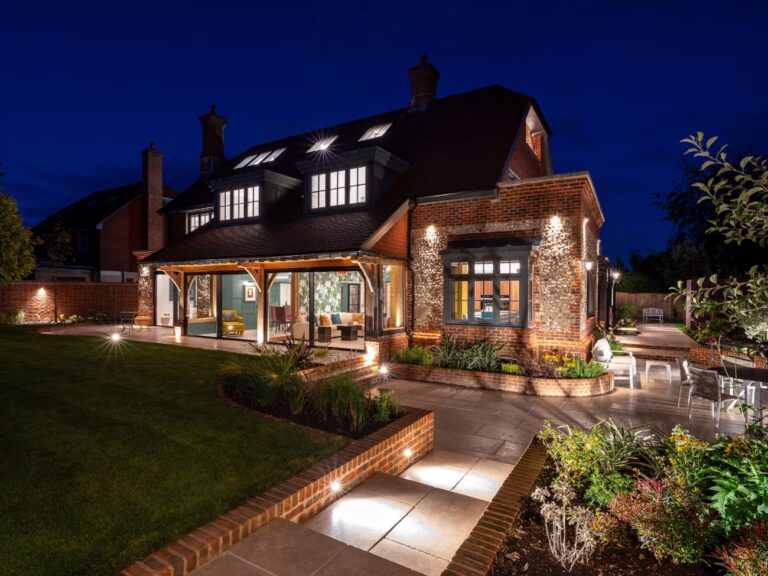
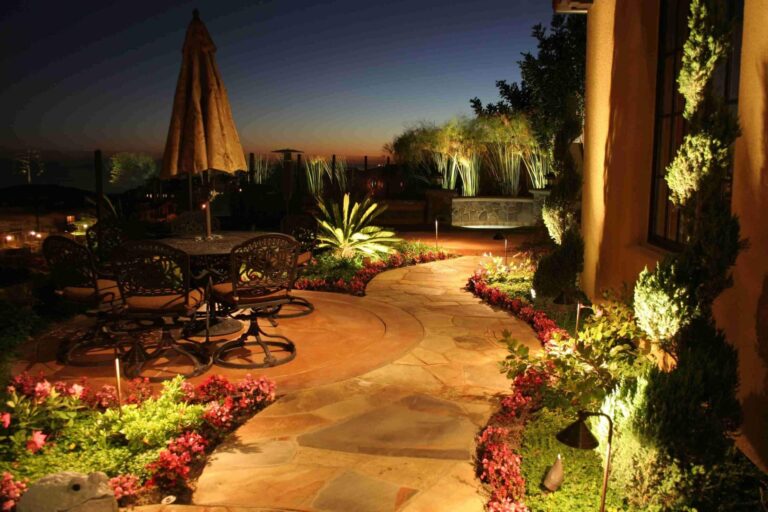
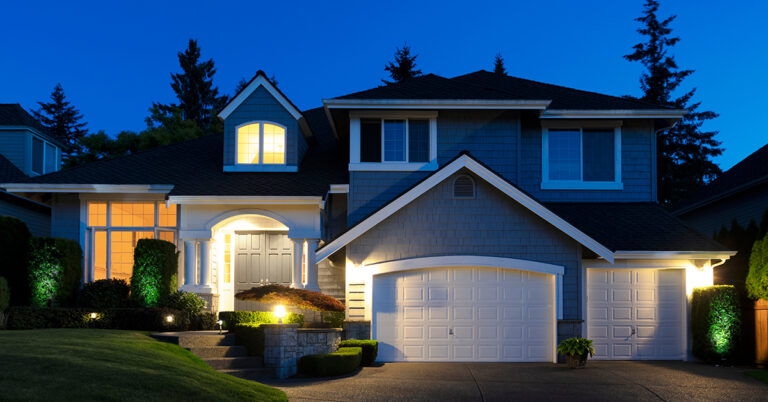
Exterior lighting highlights architectural details, textures, and landscaping, giving homes a polished and elegant appearance after sunset. Whether it’s a traditional design or a contemporary home, strategically installed lights can turn a plain exterior into a captivating focal point.
Homes with well-lit exteriors also enjoy higher property values. Potential buyers often see outdoor lighting as a premium feature that boosts curb appeal and sets the house apart in the neighborhood.
Improving Safety and Security

Exterior lighting plays a critical role in security. Motion-sensor floodlights deter trespassers by eliminating dark corners and hiding spots around the property. Well-lit entryways, driveways, and walkways reduce the risk of accidents, making the home safer for residents and guests.
The combination of beauty and protection makes exterior lighting not just a design choice, but a necessity for modern living.
Key Considerations for Exterior Lighting Installation
Placement and Layered Lighting Design
One of the most important aspects of house exterior lighting installation is placement. Lights should be layered to serve multiple functions: general illumination, accent lighting, and task lighting. For example, wall-mounted sconces can brighten entryways, while spotlights can showcase landscaping or architectural features.
Layered lighting ensures that no area is underlit or overlit, providing balance and visual harmony. A well-thought-out design plan ensures that every fixture enhances both aesthetics and safety.
Choosing the Right Fixtures and Materials

Durability is essential when selecting outdoor lighting fixtures. Since they are exposed to rain, wind, and temperature changes, high-quality weatherproof materials such as stainless steel, aluminum, or treated wood ensure longevity.
Equally important is the style of fixtures. Contemporary homes may lean toward sleek, minimalistic designs, while traditional residences often use lantern-style or rustic finishes. Matching the fixture style with the architecture ensures a cohesive look.
Real-World Examples of Exterior Lighting Installations
Wall-Mounted Sconces for Entrances
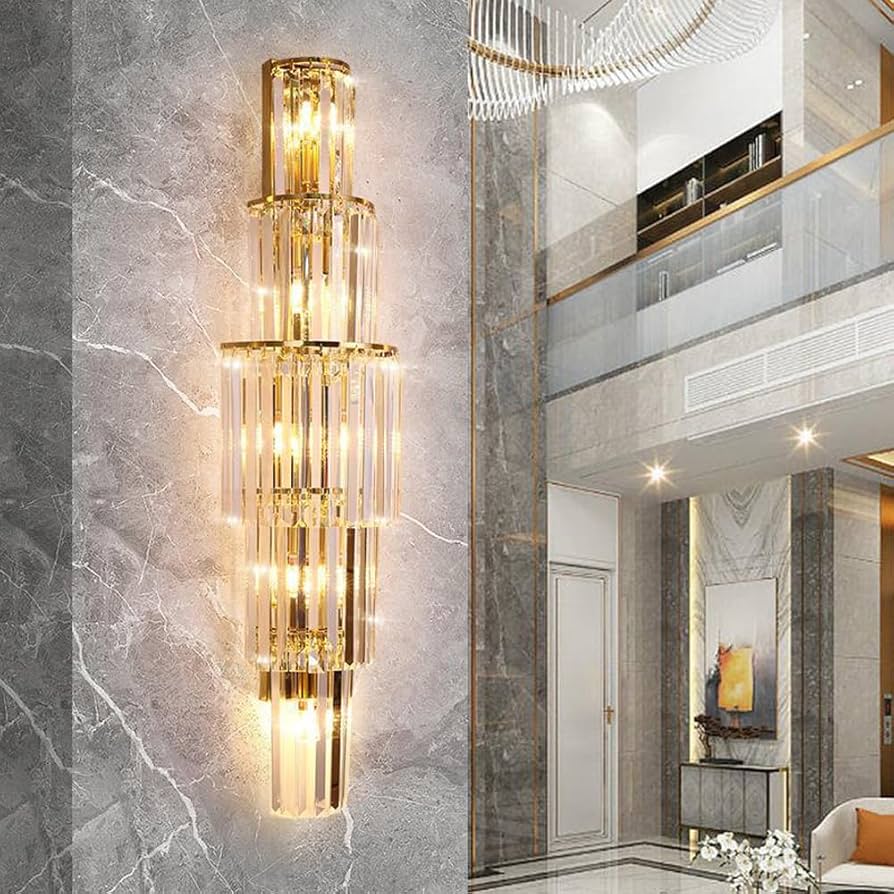
A suburban home added wall-mounted sconces on each side of the front door. These fixtures not only illuminated the entryway but also emphasized the symmetry of the home’s architecture.
This installation improved both safety and visual appeal. The sconces served as guiding lights for residents and visitors while creating a welcoming atmosphere at night.
Pathway Lights for Navigation
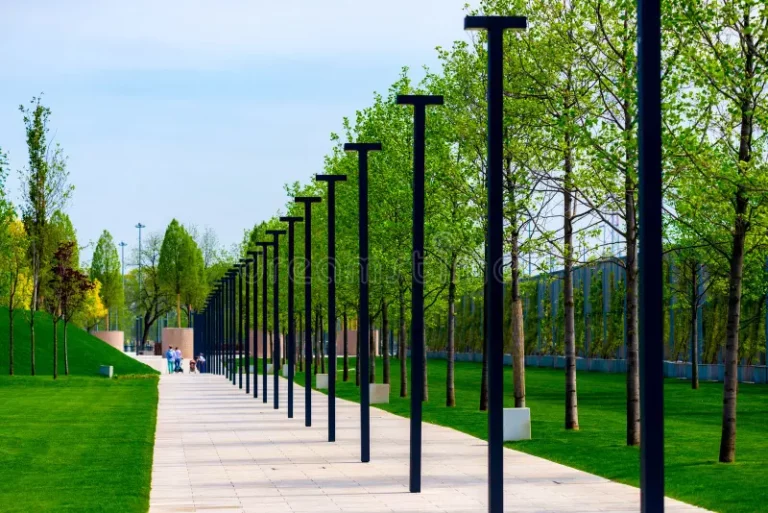
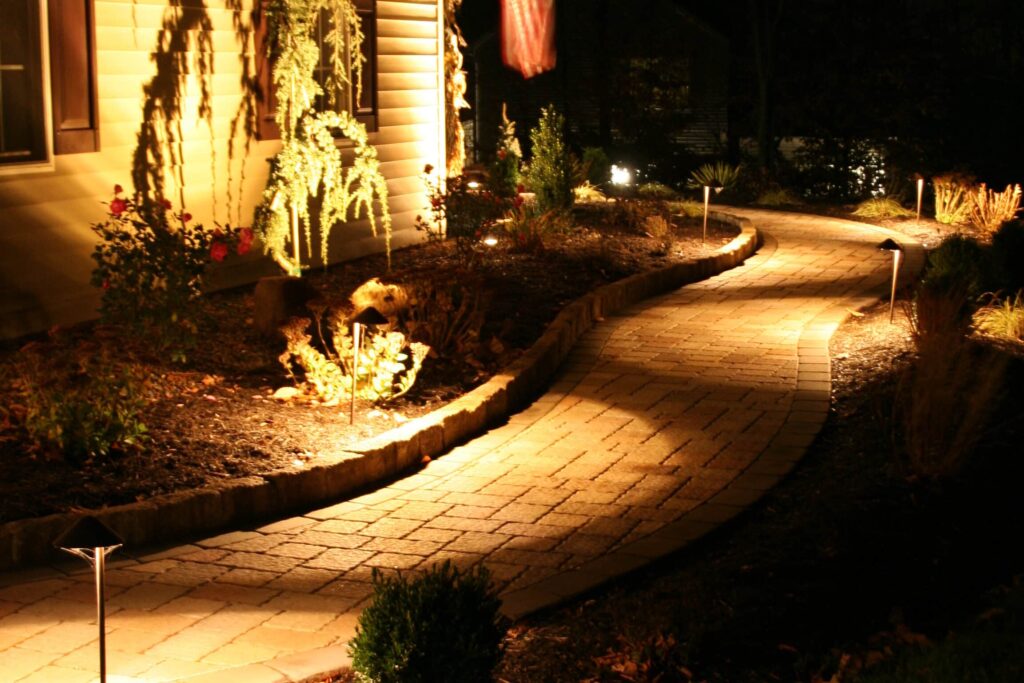
Another property enhanced its garden walkway with low-voltage pathway lights. These fixtures, evenly spaced along the stone path, provided soft illumination for evening strolls while showcasing the surrounding landscaping.
Pathway lights are functional yet decorative, preventing accidents while elevating the beauty of outdoor spaces. They demonstrate how exterior lighting installation can merge safety with elegance.
Floodlights for Security
A modern residence installed floodlights with motion sensors around its driveway and backyard. These lights automatically activated when movement was detected, ensuring both convenience and deterrence against unwanted visitors.
Floodlights are particularly useful for large properties or homes located in secluded areas. They deliver powerful illumination that enhances security without compromising energy efficiency when paired with motion sensors.
Accent Spotlights for Landscaping
One home highlighted its landscape features with ground-level spotlights aimed at tall trees and garden sculptures. This created depth and dimension while turning the yard into a nighttime showcase.
Accent spotlights are versatile and can be adjusted to highlight textures, shapes, and natural features, making them a popular choice in exterior lighting installations.
Benefits of Technology in Exterior Lighting
Modern technology has transformed how house exterior lighting is installed and controlled.
-
Smart Lighting Systems: Many exterior lights can now be managed via mobile apps or voice assistants, offering convenience and automation. Homeowners can schedule lights to turn on at sunset or adjust brightness with a touch of a button.
-
LED Efficiency: LEDs consume far less energy than traditional bulbs while lasting significantly longer. They deliver consistent brightness and are available in various color temperatures to suit design preferences.
-
Motion and Light Sensors: Automated controls reduce energy consumption while enhancing security. Lights activate only when needed, ensuring efficiency without sacrificing safety.
-
Solar-Powered Fixtures: Solar options minimize wiring needs and reduce reliance on electrical power, making them eco-friendly and ideal for pathways or garden areas.
By embracing technology, homeowners enjoy greater control, energy savings, and long-term performance. Advantages of House Exterior Lighting Installation
Installing exterior lighting offers a wide range of benefits:
-
Improved Safety: Prevents accidents on steps, pathways, and driveways.
-
Enhanced Security: Motion sensors and floodlights deter intruders.
-
Extended Outdoor Living: Makes patios, decks, and gardens usable at night.
-
Aesthetic Appeal: Highlights architectural details and landscaping.
-
Property Value: Well-lit homes often have higher resale potential.
These advantages prove that exterior lighting is more than a design trend—it’s a practical and valuable home investment.
Use Cases of Exterior Lighting
Residential Homes
Insert image of family enjoying illuminated backyard patio
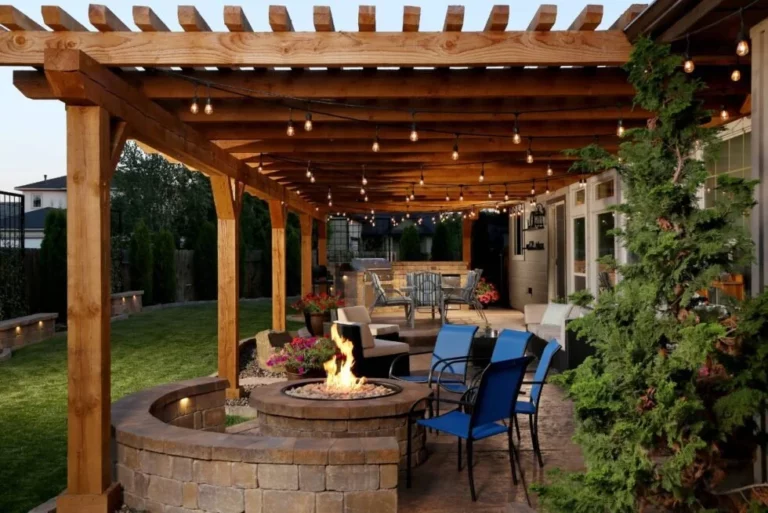
Exterior lighting allows families to make the most of their outdoor spaces. From hosting barbecues to enjoying quiet evenings outside, lighting creates comfort and usability after dark.
Commercial and Hospitality Settings
Hotels, restaurants, and event spaces rely heavily on exterior lighting to welcome guests. Warmly lit entrances and landscaped areas make businesses appear more inviting and professional.
Security-Focused Properties
In areas where security is a primary concern, exterior lighting helps eliminate dark zones around the property. Motion-activated floodlights and perimeter lighting play a significant role in safeguarding homes.
Frequently Asked Questions
1. How long does house exterior lighting installation take?
The timeline varies depending on the project’s complexity. Simple installations like wall sconces may take only a few hours, while full property lighting with wiring and smart systems can take one to two days.
2. Are exterior lights expensive to maintain?
Not necessarily. With modern LED technology and durable fixtures, maintenance costs are low. Most exterior lights require only occasional cleaning and bulb replacement every few years.
3. Can exterior lighting be customized for my home’s style?
Yes. Exterior lighting is highly customizable. Homeowners can choose from a wide range of fixture designs, color temperatures, and control systems to match their architecture and lifestyle.