Install Outdoor Light Junction Box: Complete Guide, Benefits, and Practical Examples
Outdoor lighting plays a vital role in enhancing the beauty, safety, and security of a home. However, behind every reliable outdoor light is a critical component, the junction box. Installing an outdoor light junction box is essential for safe electrical connections, fixture stability, and compliance with electrical codes.
A junction box designed for outdoor use is built to withstand moisture, dust, and varying temperatures. It not only provides a protective housing for wires but also ensures that your light fixture remains secure. Whether for a wall-mounted lantern, a floodlight, or a ceiling fan with a light kit, the junction box is a necessary foundation for long-lasting performance.
Why Installing an Outdoor Light Junction Box Matters
Protection Against Environmental Elements
Outdoor environments expose electrical components to rain, snow, wind, and insects. Without a properly sealed junction box, wires can corrode, short out, or even cause fire hazards. Installing a weatherproof box ensures that connections remain safe and reliable under all weather conditions.
In addition, modern boxes come with gasketed covers and sealed openings, preventing moisture from entering and protecting the integrity of the wiring. This level of protection makes them indispensable in exterior electrical work.
Compliance and Safety Standards

Most building codes require outdoor light fixtures to be connected via a junction box. This requirement is not just a formality; it ensures safety. Electrical codes mandate proper housing for wire splices, grounding, and fixture mounting. Installing a junction box keeps you compliant and reduces the risks of shorts or accidental shocks.
By choosing the right box and installing it correctly, you align with legal standards while ensuring peace of mind for your household.
Key Factors to Consider Before Installation
Choosing the Right Material and Design
Outdoor junction boxes are typically made from PVC, fiberglass, or coated metal. Each material offers distinct advantages. PVC and fiberglass are lightweight and corrosion-resistant, while coated metal provides extra durability and rigidity for heavy fixtures.
The choice depends on the fixture type and location. For example, a wall-mounted lantern may only require a PVC box, while a floodlight exposed to wind and rain might benefit from a stronger metal option. Ensuring the box is rated for “wet locations” is crucial for long-term performance.
Wiring Capacity and Electrical Load
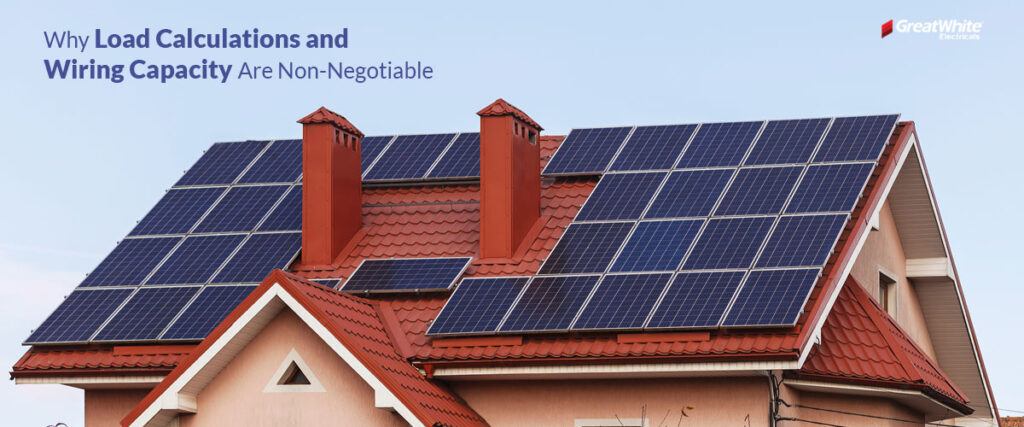
Before installation, it’s important to consider the electrical load. Outdoor junction boxes vary in size, and overcrowding them with too many wires can cause overheating and fire risks. Calculating the number of wires, the gauge, and the type of fixture ensures that you select the proper box capacity.
Furthermore, grounding is essential. A good outdoor junction box should include a grounding screw or bracket, allowing the system to safely discharge excess electricity.
Real-World Examples of Outdoor Light Junction Box Installations
Front Porch Lantern Installation
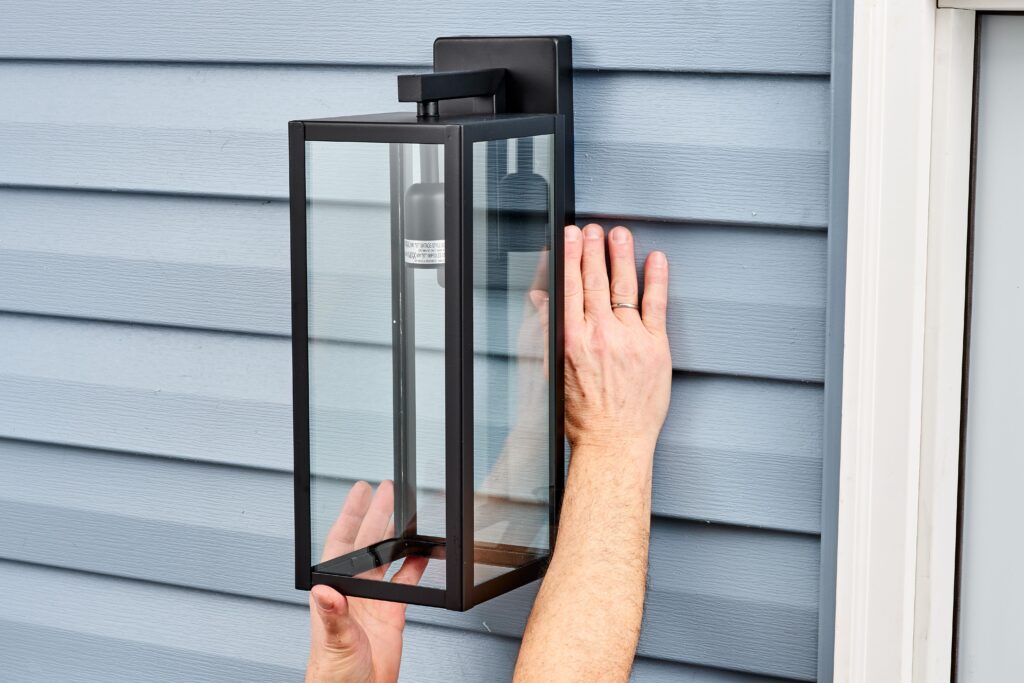
A homeowner installing a decorative lantern at the entrance required a secure mounting point. A rectangular weatherproof junction box was chosen and installed directly onto the siding. This box not only housed the wiring safely but also supported the lantern’s weight, ensuring it stayed secure during windy conditions.
The result was a safe, aesthetically pleasing installation that enhanced curb appeal while meeting electrical code requirements.
Floodlight Mounted on a Garage Exterior
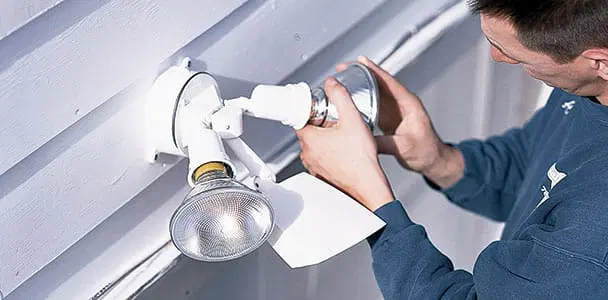
In another scenario, security was the priority. A powerful floodlight was mounted on a garage wall to illuminate a driveway. A heavy-duty metal junction box was used to provide structural stability and accommodate the larger wires needed for the floodlight’s higher wattage.
The installer also used conduit fittings to keep moisture from entering the box. This setup provided a robust, weather-resistant solution capable of handling long-term outdoor exposure.
Patio Ceiling Fan with Light Fixture
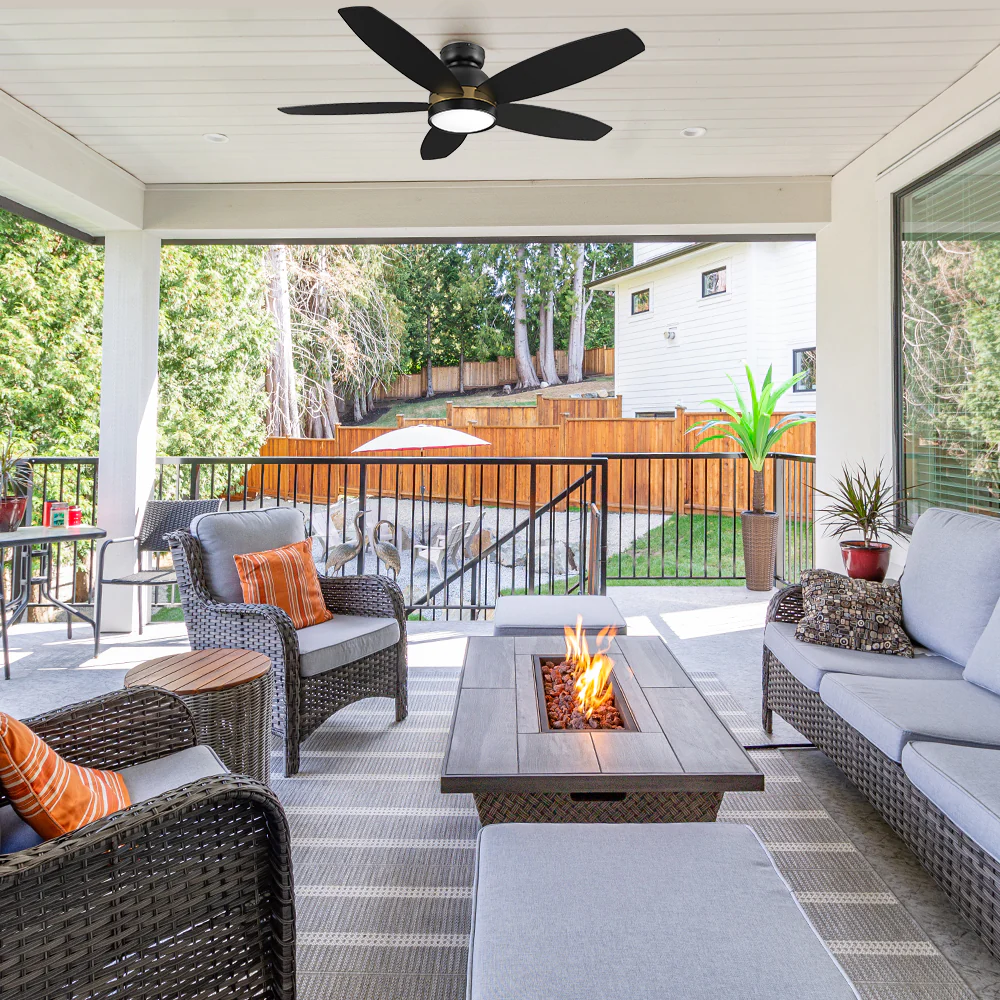
Outdoor ceiling fans with integrated lights are popular for covered patios. In this case, a ceiling-rated junction box was used, specifically designed to bear the fan’s weight while resisting moisture.
The box ensured that both the wiring and the heavy fixture remained stable. This example shows how junction boxes are not just about wiring; they also act as structural components in exterior setups.
Landscape Lighting Hub
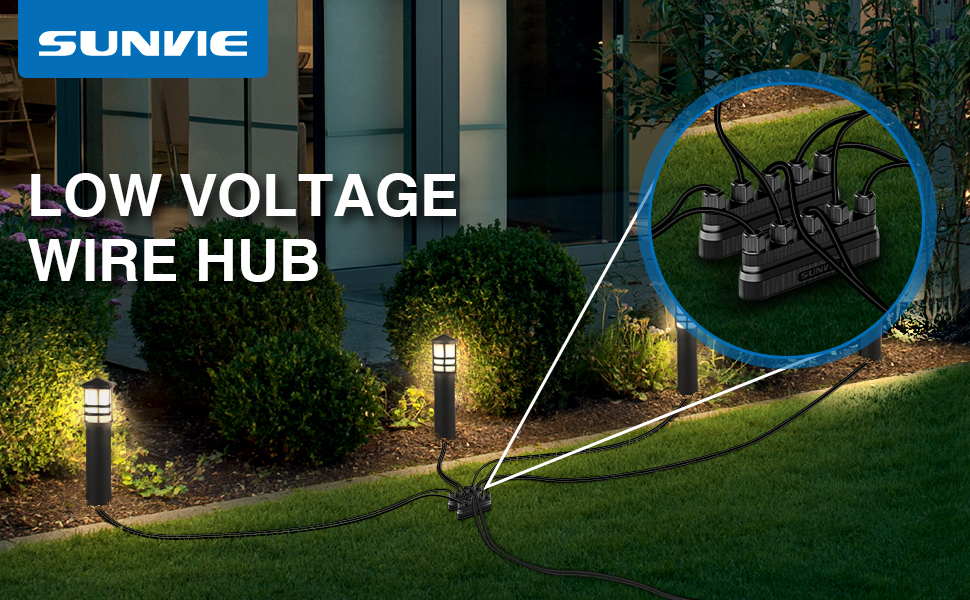
For a garden installation, multiple pathway lights needed centralized connections. A weatherproof buried junction box provided the solution. Positioned at ground level, it safely housed wire splices and was sealed against soil moisture.
This allowed for efficient wiring, easier maintenance, and reliable operation of all connected landscape lights.
Benefits of Technology in Outdoor Junction Boxes
Advancements in design and materials have made modern outdoor junction boxes more efficient and reliable.
-
Smart Ready Designs: Some newer models allow integration with smart lighting systems, making it easier to connect to Wi-Fi or Bluetooth fixtures.
-
Improved Weatherproofing: Enhanced gaskets and self-sealing entries improve resistance to moisture without requiring additional sealants.
-
Modular Features: Certain boxes allow modular wiring systems, which means you can expand lighting setups without rewiring from scratch.
-
Durability Enhancements: UV-resistant plastics and rust-proof metals ensure long-term performance, even in harsh climates.
These technological benefits simplify installation, reduce maintenance needs, and improve overall safety.
Advantages of Installing an Outdoor Light Junction Box
Installing an outdoor light junction box provides significant advantages:
-
Safety: Protects wires from weather damage, pests, and accidental contact.
-
Fixture Support: Provides a strong, stable base for lights, fans, and other fixtures.
-
Code Compliance: Ensures installations meet legal safety requirements.
-
Maintenance Ease: Organizes connections, making troubleshooting simpler.
-
Durability: Extends the lifespan of fixtures and wiring by shielding them from outdoor elements.
These benefits demonstrate why junction boxes are essential for any outdoor electrical installation.
Use Cases Where Outdoor Junction Boxes Solve Problems
Security Lighting for Driveways and Yards
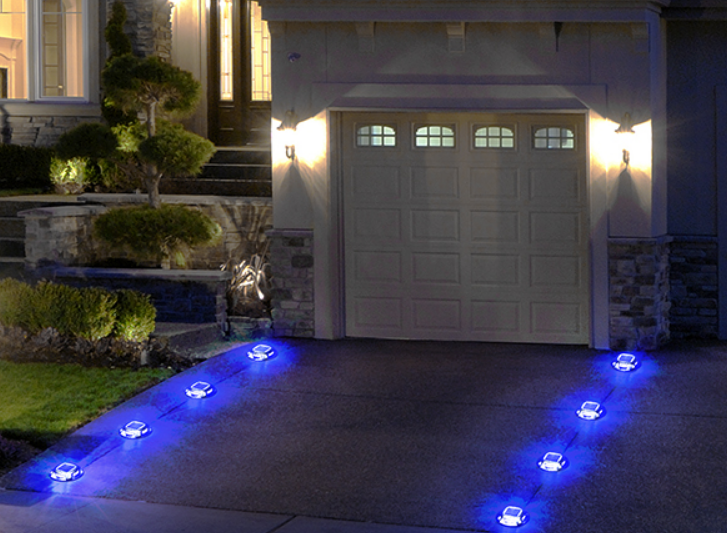
For homes requiring bright lighting for safety, junction boxes provide secure mounting for motion-activated floodlights. They handle the electrical load while ensuring wiring remains protected from weather exposure.
Decorative Outdoor Fixtures
A decorative sconce or lantern can quickly elevate curb appeal. Junction boxes make it possible to install these securely while hiding and protecting the electrical connections behind them.
Outdoor Living Areas
Ceiling fans, pendant lights, or hanging fixtures in covered patios all rely on junction boxes for both stability and moisture resistance. Without them, installations would be unsafe and unreliable.
Frequently Asked Questions
1. Can I install an outdoor light junction box myself?
Yes, but it depends on your experience. While DIY installation is possible for some homeowners, electrical work can be hazardous. Many regions require licensed electricians for outdoor installations to ensure compliance and safety.
2. What type of junction box is best for outdoor lighting?
Weatherproof junction boxes labeled for “wet locations” are best. The choice of material, PVC, fiberglass, or coated metal, depends on fixture type, weight, and location.
3. Do outdoor junction boxes need to be sealed?
Absolutely. Sealing is critical to prevent moisture intrusion. Most modern boxes come with gasketed covers and watertight fittings, but additional sealants can be applied for extra protection.