Flood Light Installation Near Me: Complete Guide, Benefits, and Real-World Use Cases
Flood lights are powerful, wide-beam lighting fixtures designed to illuminate large areas with bright, focused light. They are commonly used in residential driveways, commercial parking lots, sports fields, and public spaces. Searching for “flood light installation near me” has become increasingly popular as homeowners and businesses recognize the importance of professional installation for both safety and performance.
Unlike standard outdoor lighting, flood lights require precise positioning and correct wattage to achieve optimal results. Professional installation ensures that the lighting is evenly distributed, minimizes shadows, and complies with electrical codes. With proper installation, flood lights provide long-lasting illumination that improves security, enhances outdoor aesthetics, and reduces the risks of accidents at night.
Why Professional Flood Light Installation Matters

While it may be tempting to attempt a DIY flood light installation, professional services offer expertise and long-term reliability. Contractors understand voltage requirements, fixture placement, and the importance of weatherproofing electrical components. This ensures not only functionality but also safety, reducing risks of electrical faults or fixture failure.
Additionally, professionals assess each property’s unique needs. For example, a residential driveway may require a smaller, motion-sensor flood light, while a commercial property might need multiple high-powered LED flood lights for large areas. Customized solutions tailored by experts lead to better performance and cost savings over time.
Key Benefits of Modern Flood Light Installation
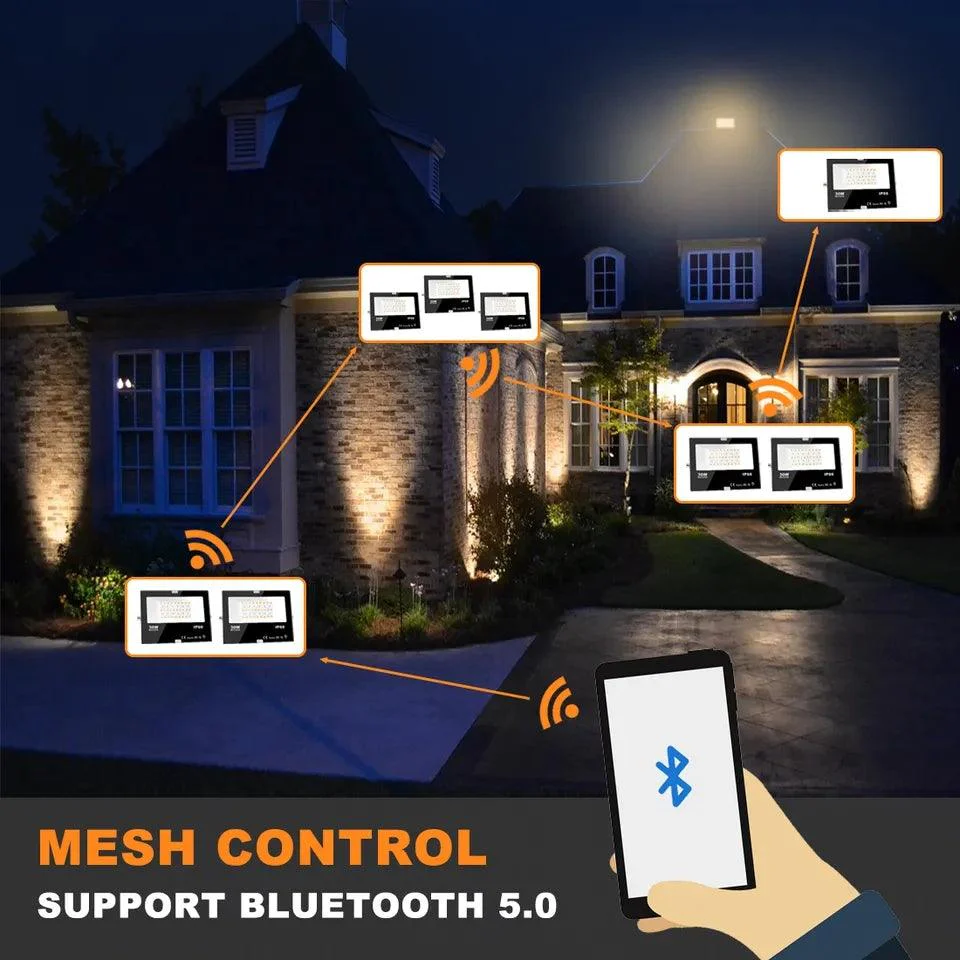
Modern floodlight installations provide several significant benefits that go beyond simple illumination. One of the most impactful advantages is energy efficiency. LED flood lights, for instance, consume far less energy than traditional halogen bulbs, while providing brighter light and a longer lifespan. This reduces both utility bills and the frequency of replacements.
Another important benefit is enhanced security. A well-lit property deters trespassers and makes surveillance cameras more effective. Flood lights installed with motion sensors activate when movement is detected, providing instant illumination and discouraging intruders. This added layer of protection gives property owners peace of mind.
Aesthetic improvement is also a notable advantage. Properly positioned flood lights can highlight architectural features, gardens, or driveways, making properties appear more inviting. When combined with smart technology, such as timers and remote controls, flood lights become not just a functional investment but also a design feature.
Real-World Examples of Flood Light Installation
Residential Driveway and Garden Flood Lights
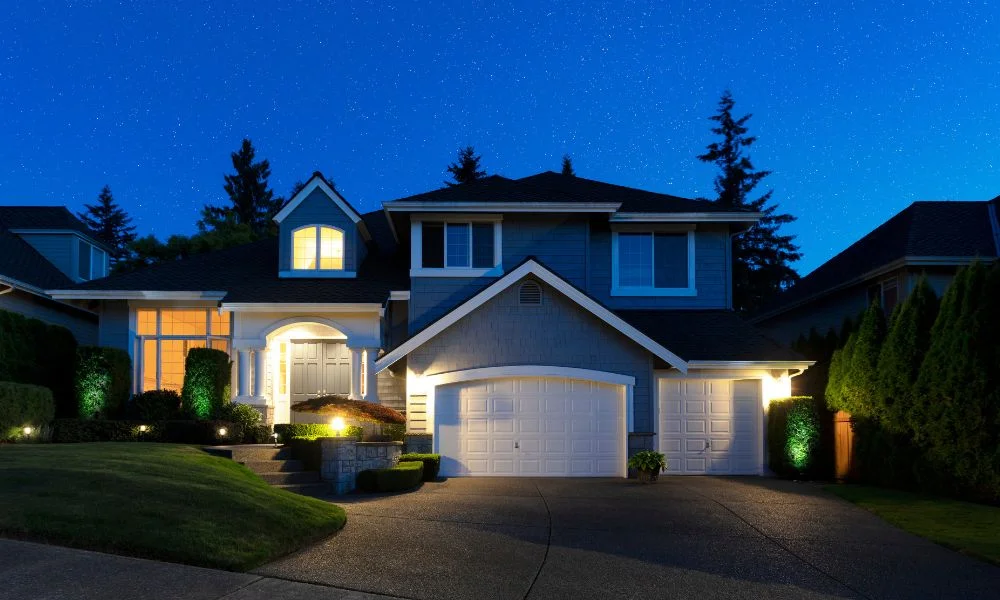
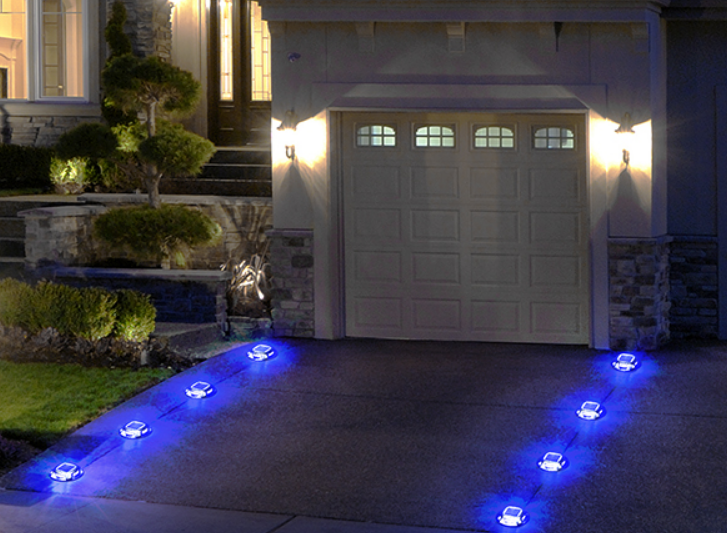
In residential projects, floodlight installation is often focused on enhancing safety and curb appeal. For instance, a homeowner may install flood lights on the garage exterior to ensure visibility while parking or arriving home at night. Contractors often recommend motion-sensor LED flood lights to provide efficient, targeted illumination only when needed.
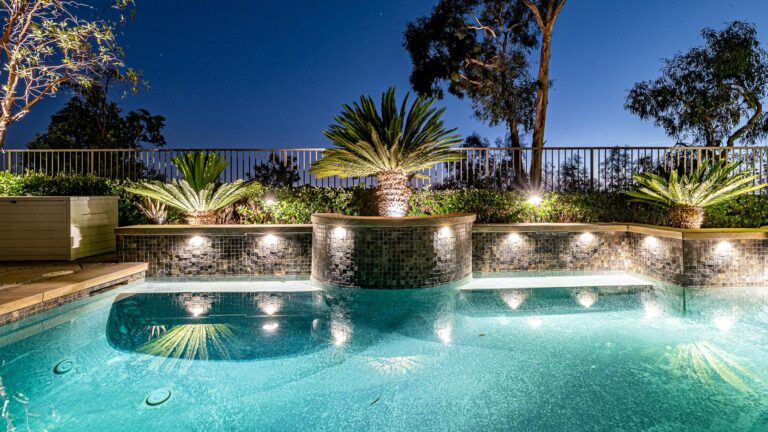
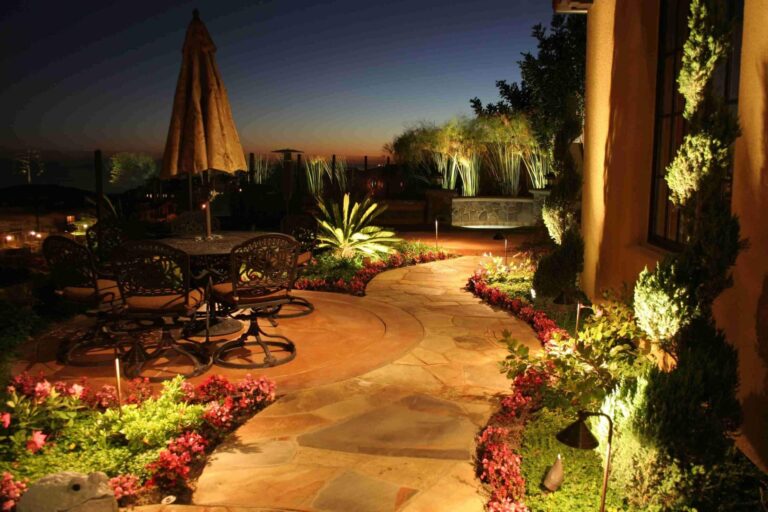
In gardens, flood lights can also serve a decorative purpose. Strategically placed fixtures highlight landscaping, trees, or water features, creating a warm and welcoming atmosphere. This use case demonstrates how flood lights can combine security with aesthetics.
Commercial Parking Lot Flood Lights
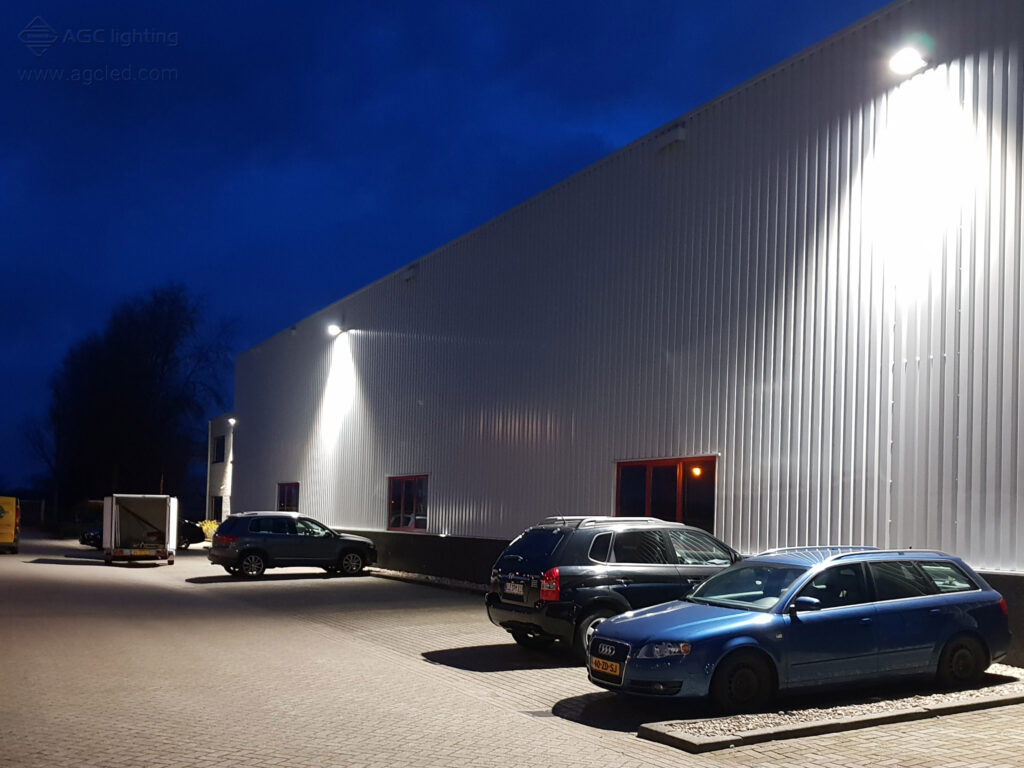
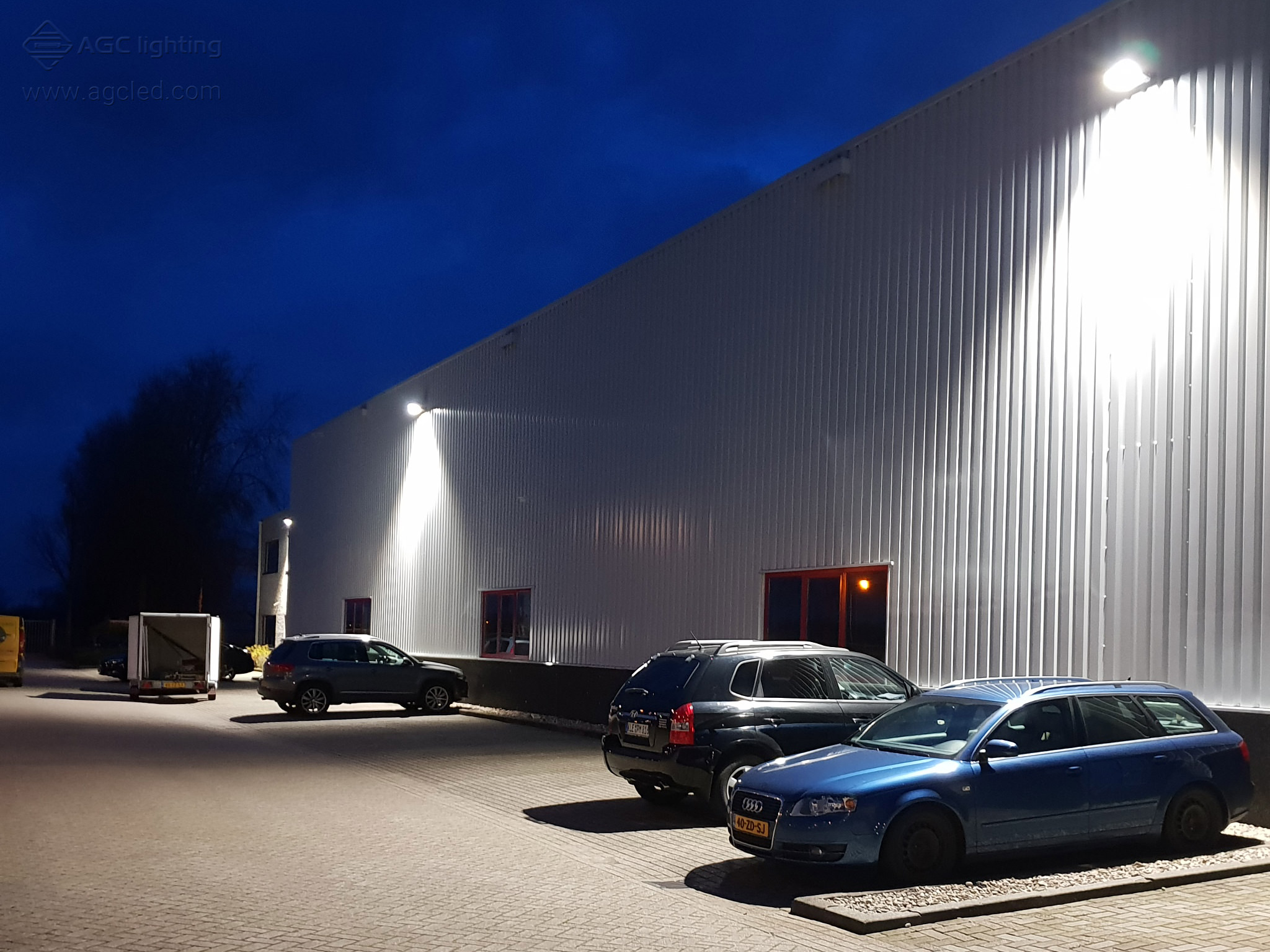
Commercial properties often require large-scale floodlight installations to ensure safety for customers and employees. Contractors typically install high-powered LED flood lights on tall poles to provide broad coverage across parking lots. This reduces the risk of accidents, improves visibility, and enhances the property’s professional appearance.
Businesses also benefit from improved security with these installations. Brightly lit lots deter potential thieves or vandals and make customers feel safer while shopping after dark. Professional installation guarantees even light distribution without dark spots, which is essential for safety compliance.
Sports Field Flood Lights
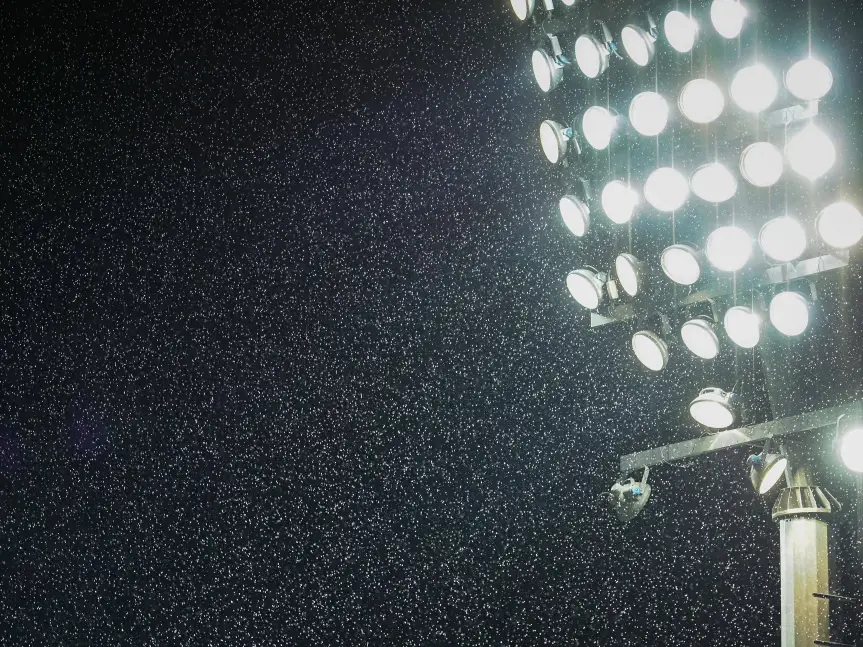
Sports facilities heavily depend on floodlight installations for evening events. Whether it’s a football field, tennis court, or community sports ground, flood lights provide the intense, uniform brightness required for players and spectators alike.
Contractors install powerful, adjustable flood lights at elevated positions to reduce glare and shadows. Modern LED technology ensures not only bright illumination but also significant energy savings, which is critical for facilities operating lights for extended hours. This use case highlights the importance of professional expertise in achieving uniform lighting across large areas.
Public Park and Community Flood Lighting
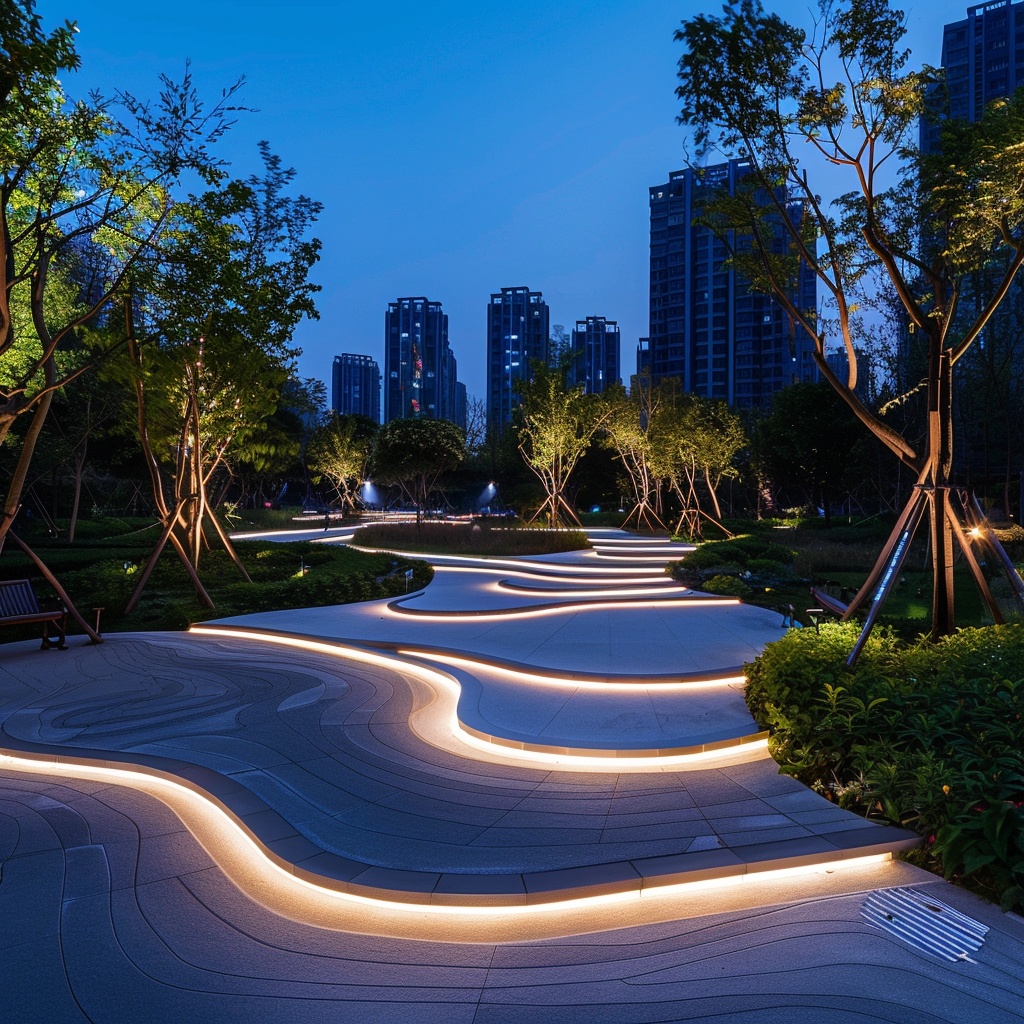
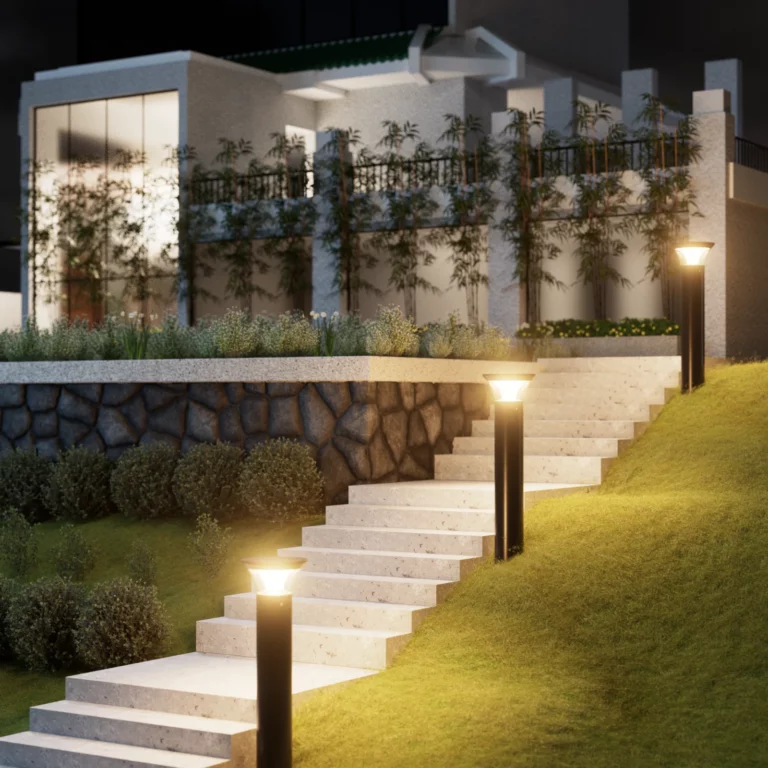
Municipalities often hire contractors for floodlight installations in public spaces. Parks, walking trails, and community gathering spots require dependable lighting for safety and usability. Contractors design layouts that ensure pathways are visible and recreational areas are safe after sunset.
Flood lights installed in these projects often feature smart controls that adjust brightness depending on the time of day or pedestrian activity. This ensures both safety and energy efficiency, reducing operational costs for local governments while maintaining community satisfaction.
How Technology Improves Flood Light Installations
Technology has transformed the way floodlights are installed and operated. The shift from traditional halogen to LED flood lights has been the most significant advancement. LEDs consume up to 80% less energy while lasting far longer, making them a cost-effective choice for both residential and commercial properties.
Smart technology has also become a game-changer. Motion sensors, timers, and remote-control systems allow property owners to customize their flood light usage. For example, a driveway flood light can be set to activate only at night when motion is detected, saving energy and providing targeted security.
Contractors also use advanced planning tools and software to determine optimal placement before installation. This ensures proper coverage without wasted light or dark patches. Technology-driven installations result in more efficient, sustainable, and reliable lighting solutions.
Practical Use Cases and Problem-Solving with Flood Light Installation
Floodlight installation helps solve numerous real-world problems. One of the most important is reducing the risk of accidents. Driveways, walkways, and parking lots can be hazardous in the dark, but with proper flood lighting, visibility is drastically improved.
Another problem addressed is property security. Dark spaces are inviting for intruders, but flood lights with motion sensors deter trespassers instantly. This makes flood lighting a proactive security investment for homes, businesses, and public spaces.
Aesthetic enhancement is another key use case. Without proper outdoor lighting, even the most beautifully designed landscapes or buildings lose their appeal at night. Flood lights highlight features and create a welcoming atmosphere, increasing property value and visual impact.
Finally, energy inefficiency is a problem solved by modern floodlight installations. Contractors now recommend LEDs and smart controls, which significantly cut energy consumption and reduce costs while still providing powerful illumination.
Frequently Asked Questions
1. What areas are best suited for floodlight installation?
Flood lights are ideal for driveways, backyards, parking lots, sports fields, and public spaces. They are designed to cover large areas, making them versatile for both residential and commercial use.
2. How long do LED flood lights typically last?
LED flood lights often last between 25,000 and 50,000 hours, significantly longer than halogen or incandescent lights. This extended lifespan makes them cost-effective and reduces the need for frequent replacements.
3. Can flood lights be integrated with smart home systems?
Yes. Many modern flood lights are compatible with smart home systems. They can be controlled remotely through mobile apps, set on timers, or linked to motion sensors for added convenience and energy efficiency.