Private Landscaping: Complete Guide to Design, Benefits, and Real-World Applications
Private landscaping is the art and science of designing and maintaining outdoor spaces for residential and private properties. Unlike commercial landscaping, which focuses on public areas, private landscaping centers on personal gardens, home exteriors, and small estates. It is an approach that combines creativity, technical knowledge, and sustainability to create functional and visually pleasing environments.
Homeowners often turn to private landscaping to transform simple backyards into personalized sanctuaries. From planting lush greenery to building water features, private landscaping enhances not just aesthetics but also lifestyle, offering outdoor spaces for relaxation, entertainment, and environmental sustainability.
Understanding Private Landscaping
Private landscaping involves much more than just planting flowers or mowing the lawn. It is a holistic process that considers architecture, climate, soil conditions, and homeowner preferences. Landscapers design layouts that integrate plants, hardscape, lighting, and even water management systems.
This process often begins with a detailed consultation to understand the homeowner’s goals. Whether the priority is sustainability, elegance, or low maintenance, private landscaping tailors solutions to individual needs. By blending functionality with artistry, it transforms outdoor areas into personalized extensions of living spaces.
Key Services in Private Landscaping
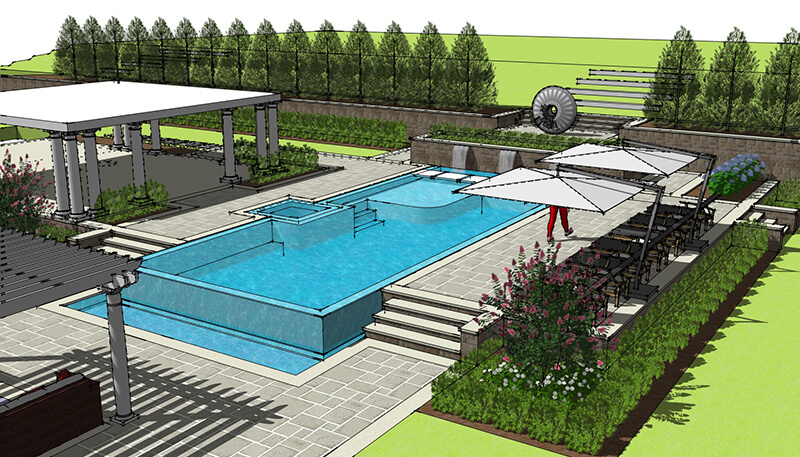
Landscape Design and Planning
The foundation of private landscaping lies in design. Professionals begin by mapping out the property, analyzing soil quality, and considering sun exposure. Digital design tools allow landscapers to create 3D renderings, giving homeowners a clear picture of the proposed transformation before work begins.
The planning stage also includes decisions about plant selection, pathways, seating areas, and additional features such as ponds or lighting. By approaching landscaping as a long-term project, private landscapers ensure beauty, durability, and environmental balance.
Planting and Garden Development
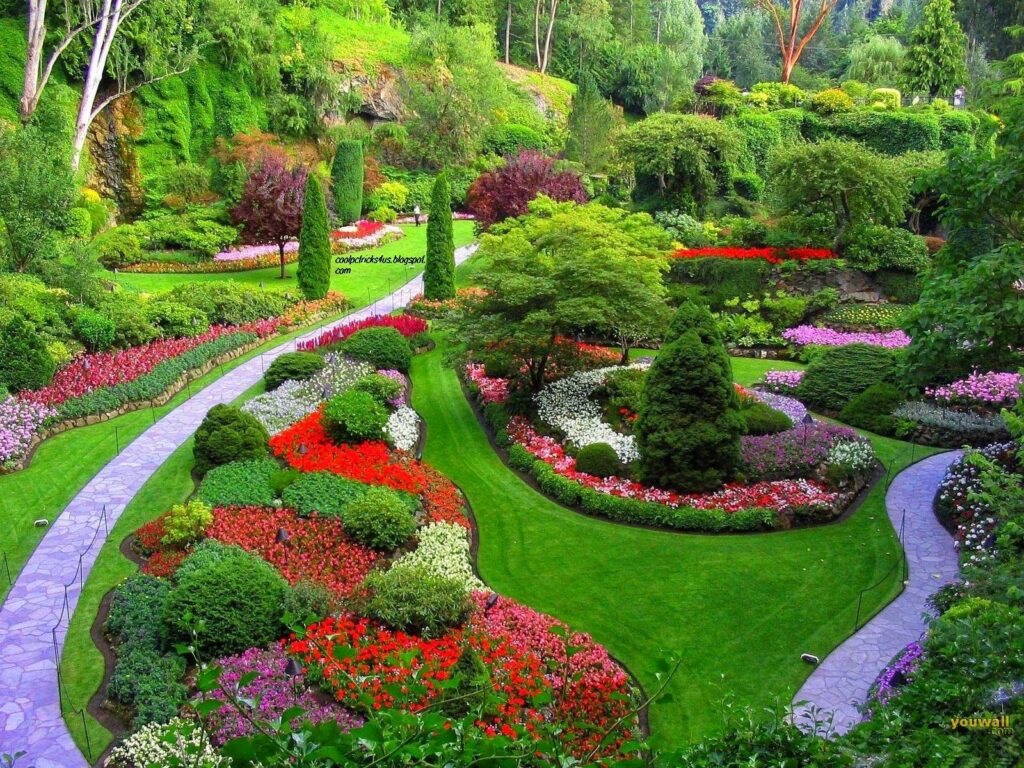
Once a design is finalized, planting begins. This includes selecting plants suited to the climate, soil, and homeowner preferences. Trees for shade, flowering plants for seasonal color, and shrubs for privacy are all considered carefully.
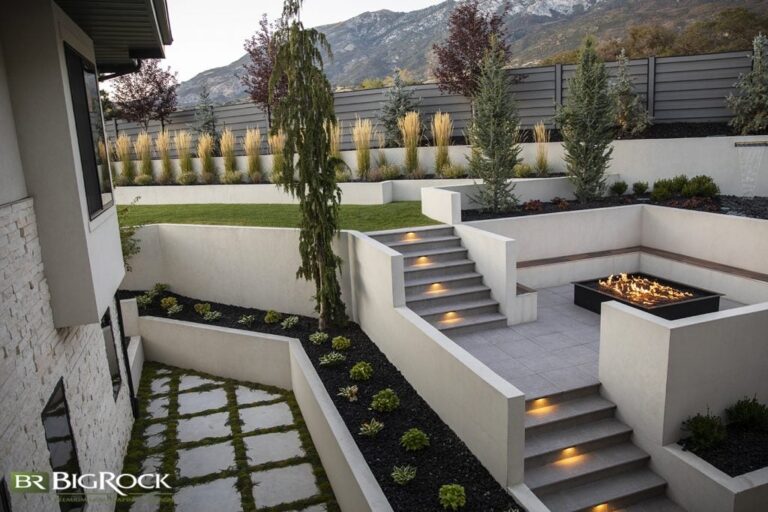
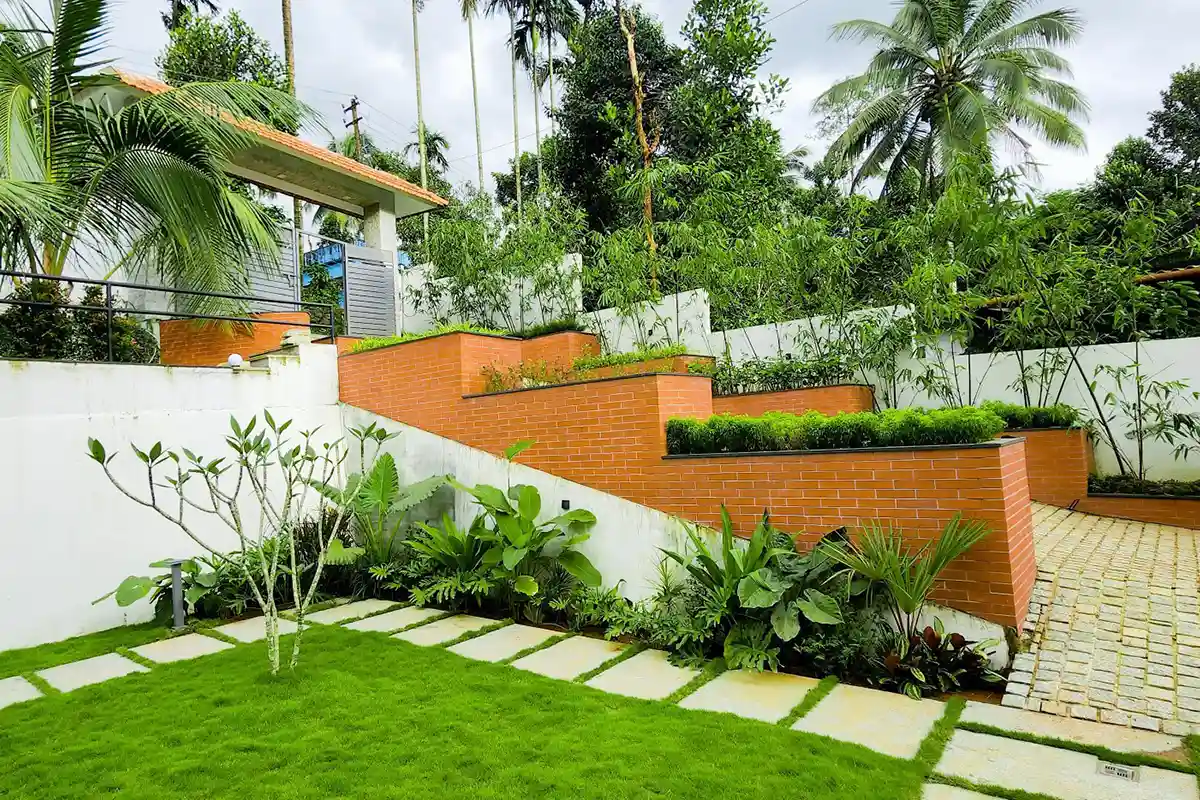
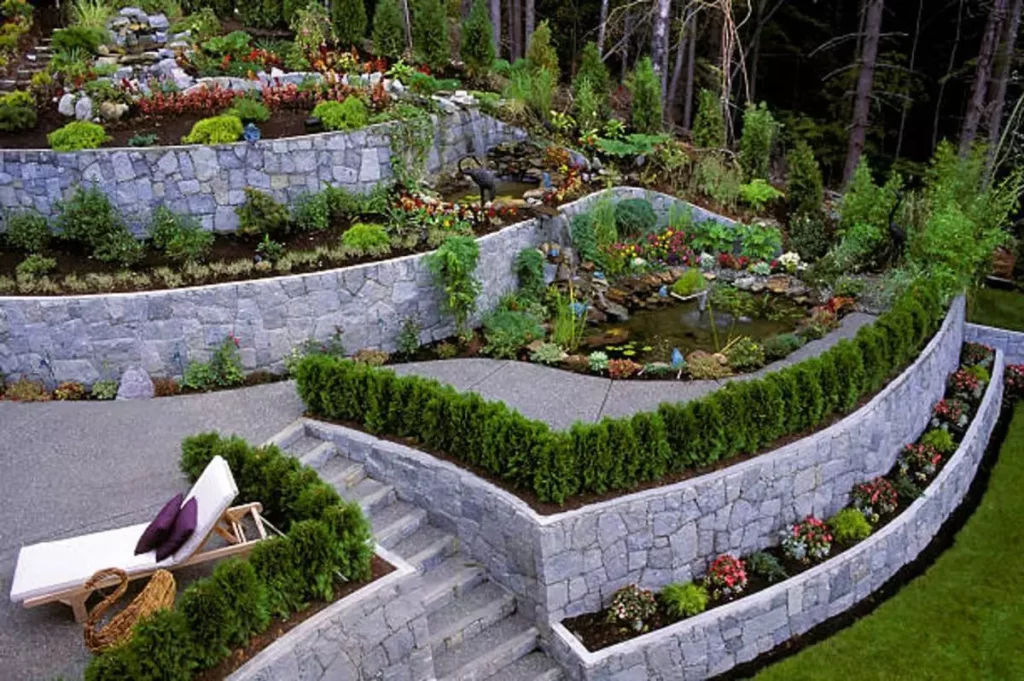
In addition to greenery, private landscaping often integrates hardscape features such as patios, stone walls, or garden steps. These features not only enhance visual appeal but also make the space more functional for everyday use.
Maintenance and Care
Ongoing maintenance is critical for sustaining the value of private landscaping. This includes lawn care, trimming shrubs, fertilizing plants, and managing irrigation systems. Regular upkeep ensures that gardens remain vibrant year-round.
By offering tailored maintenance schedules, private landscapers allow homeowners to enjoy beautiful outdoor spaces without the burden of extensive manual work.
Real-World Examples of Private Landscaping
Suburban Backyard Transformation
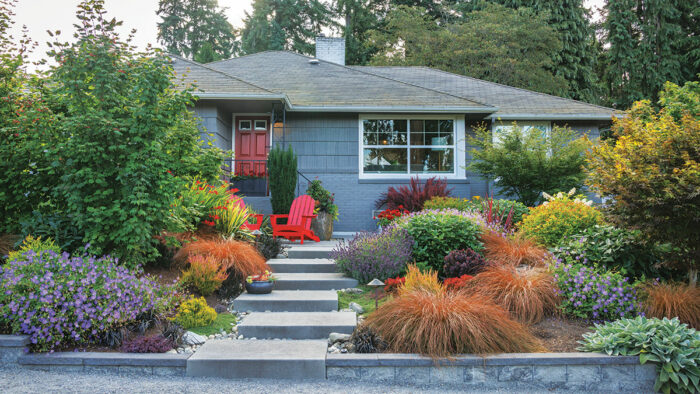
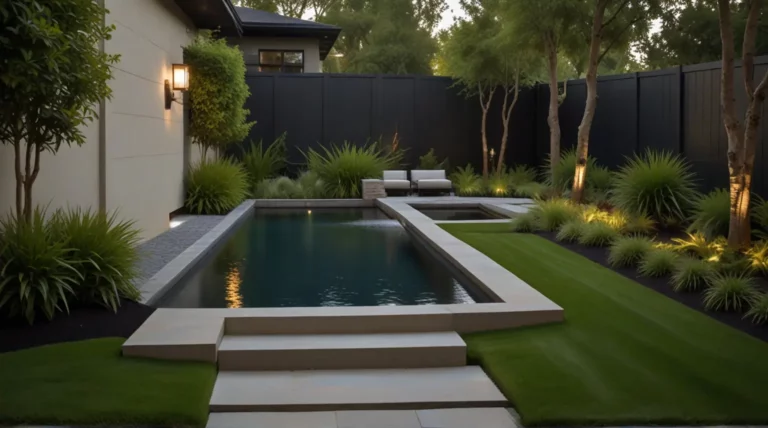
A suburban home with an underused lawn can be transformed through private landscaping. Landscapers may design a space that includes flower beds, a seating area, and a small pond. This not only enhances aesthetics but also encourages family activities outdoors.
The landscaper carefully balances plant diversity with ease of maintenance, ensuring the homeowners enjoy a lively yet manageable garden.
Luxury Estate Landscaping
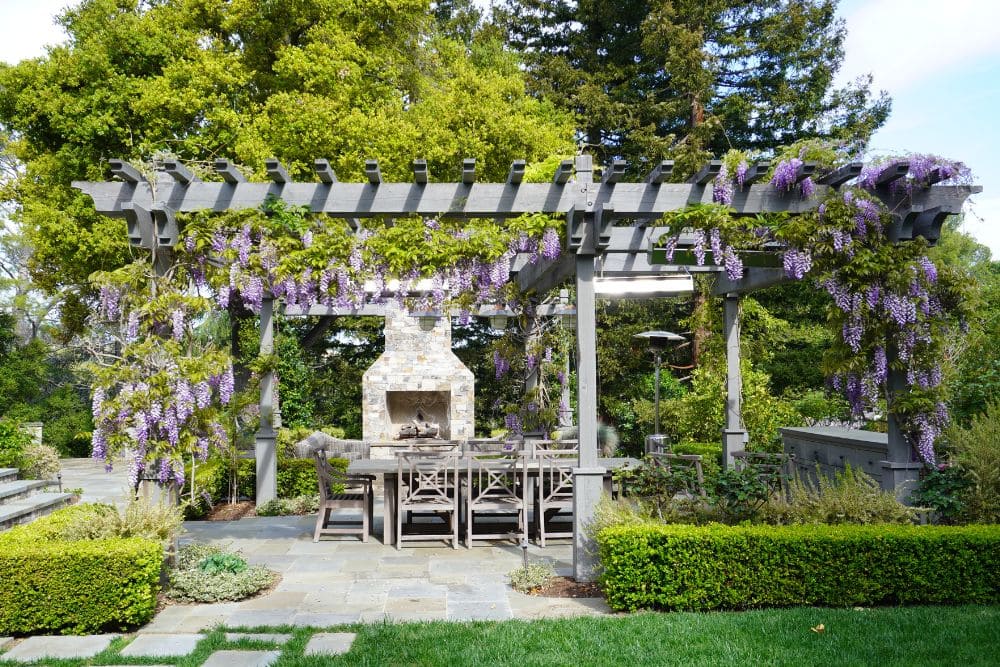
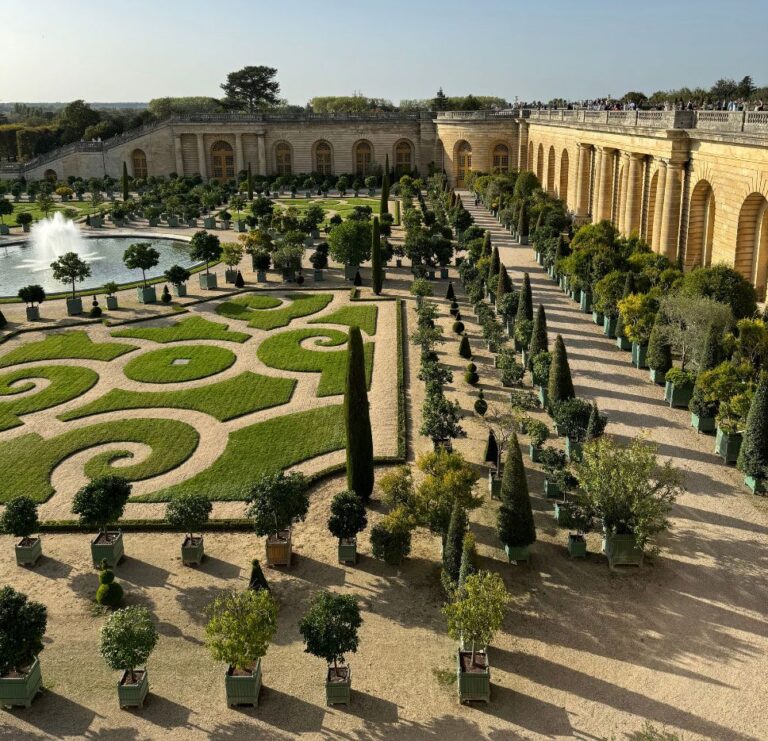
In larger estates, private landscaping takes on a more formal and grand scale. Landscapers might create symmetrical garden designs, water fountains, decorative stone pathways, and lighting features that highlight the architecture.
This approach emphasizes elegance and exclusivity, turning the property into a visual statement of sophistication while maintaining harmony with nature.
Sustainable Urban Garden
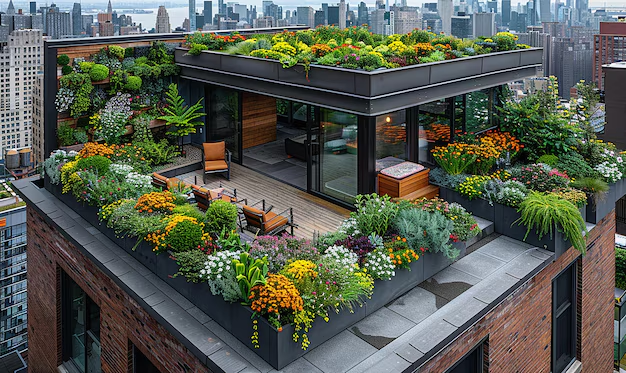
For homeowners in urban environments, private landscaping often involves maximizing small spaces. Vertical gardens, rooftop greenery, and eco-friendly water systems are common features.
Such designs reduce environmental impact while improving air quality and providing homeowners with a relaxing green escape within a busy city.
Outdoor Living Enhancements
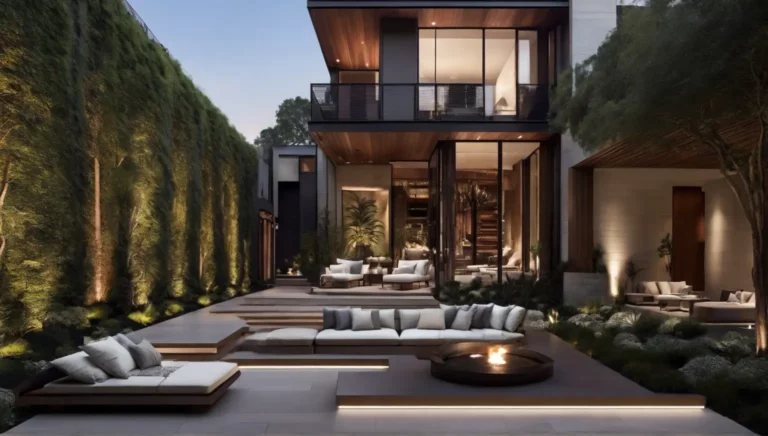
Private landscaping can also extend living spaces outdoors. Landscapers may design outdoor kitchens, fireplaces, and entertainment zones surrounded by carefully chosen plants.
These features transform backyards into year-round usable spaces, perfect for social gatherings or quiet evenings with family.
Benefits of Using Technology in Private Landscaping
Technology has revolutionized private landscaping, making it more efficient and sustainable. Digital design software allows homeowners to preview layouts before any construction begins. This eliminates uncertainty and ensures satisfaction with the outcome.
Smart irrigation systems are another major benefit. These systems monitor soil moisture and weather conditions, adjusting watering schedules automatically to conserve water and maintain plant health. Garden sensors also track sunlight, humidity, and temperature, helping landscapers make data-driven decisions.
Furthermore, drones and aerial imaging provide landscapers with detailed overviews of large properties, allowing precise planning of drainage systems, plant placement, and structural features. By embracing technology, private landscaping achieves higher efficiency, lower costs, and long-term sustainability.
Practical Benefits of Private Landscaping
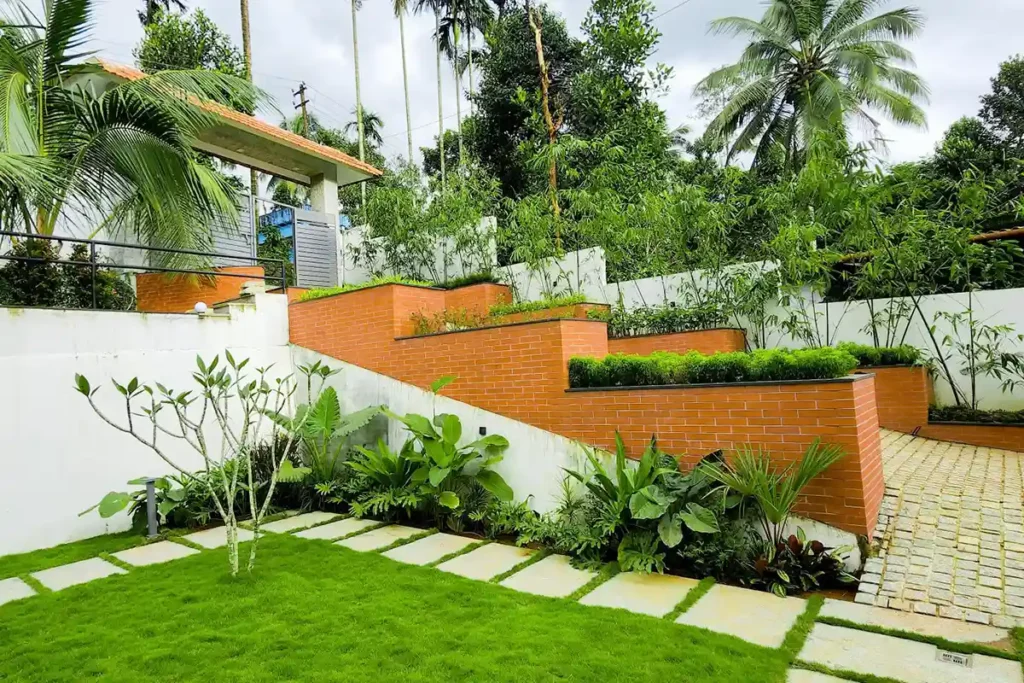
First, it significantly improves property value. A well-designed landscape enhances curb appeal, often leading to higher resale prices. Second, private landscaping creates functional outdoor spaces that improve lifestyle, offering areas for relaxation, play, or social gatherings.
Environmental benefits are also considerable. Landscapers integrate eco-friendly practices like rain gardens, drought-resistant plants, and sustainable irrigation. These practices conserve natural resources while reducing maintenance costs for homeowners.
Use Cases of Private Landscaping in Real Life
Increasing Property Value
A thoughtfully landscaped yard enhances first impressions. For homeowners planning to sell, private landscaping can yield a significant return on investment. Buyers are often drawn to homes with beautiful and functional outdoor areas.
Solving Environmental Challenges
Private landscaping helps address issues like soil erosion, poor drainage, and excess heat in urban areas. Through solutions such as retaining walls, shade trees, and rainwater harvesting, landscapers improve both functionality and sustainability.
Enhancing Lifestyle and Comfort
Landscapers create custom outdoor areas designed around the homeowner’s lifestyle. Whether it’s a family-friendly garden with play areas or a tranquil retreat with water features, private landscaping enhances quality of life.
Frequently Asked Questions
1. What is the difference between private and commercial landscaping?
Private landscaping focuses on personal properties such as homes, estates, and urban gardens, while commercial landscaping is designed for public spaces like offices, parks, and malls. Private landscaping offers more personalized and tailored services.
2. How often should private landscaping maintenance be scheduled?
This depends on the design and plant choices. Some landscapes require weekly care, while others with low-maintenance plants may only need seasonal attention. Landscapers typically recommend a schedule tailored to the specific property.
3. Does private landscaping increase the value of a home?
Yes. Professionally landscaped properties often see higher resale values. A well-maintained garden or outdoor living space improves curb appeal, attracts potential buyers, and can significantly boost property value.