Install Junction Box for Outdoor Light: Complete Guide, Benefits, and Real-World Applications
Outdoor lighting enhances safety, security, and aesthetics, but proper installation requires attention to electrical infrastructure. One of the most critical components is the junction box. Installing a junction box for outdoor light ensures safe electrical connections, protects wiring from weather exposure, and provides a stable mount for light fixtures.
A junction box is more than a housing for wires; it’s a protective unit that prevents electrical shorts, moisture damage, and potential fire hazards. When designed for outdoor use, it must be weatherproof and rated for exterior conditions. Homeowners and professionals alike rely on these boxes to achieve both compliance with electrical codes and long-lasting performance.
Why a Junction Box Is Essential for Outdoor Lighting

Safety and Compliance
A junction box serves as the first line of defense against electrical hazards. Without one, exposed wires are vulnerable to rain, dust, and pests, which can lead to dangerous shorts. Electrical codes in most regions require outdoor light fixtures to be connected through a properly rated junction box. This ensures that installations meet safety standards and reduce the risk of fires or shocks.
Stability and Fixture Support
Beyond wiring safety, junction boxes provide structural support for fixtures. Outdoor lights are often heavier than indoor ones, especially lanterns, sconces, or floodlights. The box ensures the fixture is securely mounted to a stable surface, preventing wobbling, tilting, or damage from wind.
This dual role of safety and stability makes junction boxes indispensable for every outdoor light installation.
Key Considerations Before Installing a Junction Box
Weatherproofing and Material Selection
Outdoor conditions expose electrical components to moisture, UV rays, and temperature swings. For this reason, junction boxes must be made from durable, weather-resistant materials such as PVC, fiberglass, or powder-coated metal. Look for boxes marked “wet location” or “weatherproof” to ensure longevity.
Gasketed covers and sealed entry points are also crucial. They prevent water intrusion and maintain the integrity of the electrical connections. Selecting the right enclosure prevents costly repairs and extends fixture life.
Electrical Load and Wiring Requirements

Another key factor is ensuring the junction box can handle the electrical load. If multiple lights are connected, the box must have enough space for all wires and connectors without overcrowding. Overstuffing a box creates heat buildup and increases fire risk.
Local electrical codes dictate box size and wire capacity. It’s important to match the box to the wiring gauge, number of conductors, and type of fixture. Planning this avoids compliance issues and ensures safe operation.
Real-World Examples of Outdoor Light Junction Box Installations
Wall-Mounted Porch Light
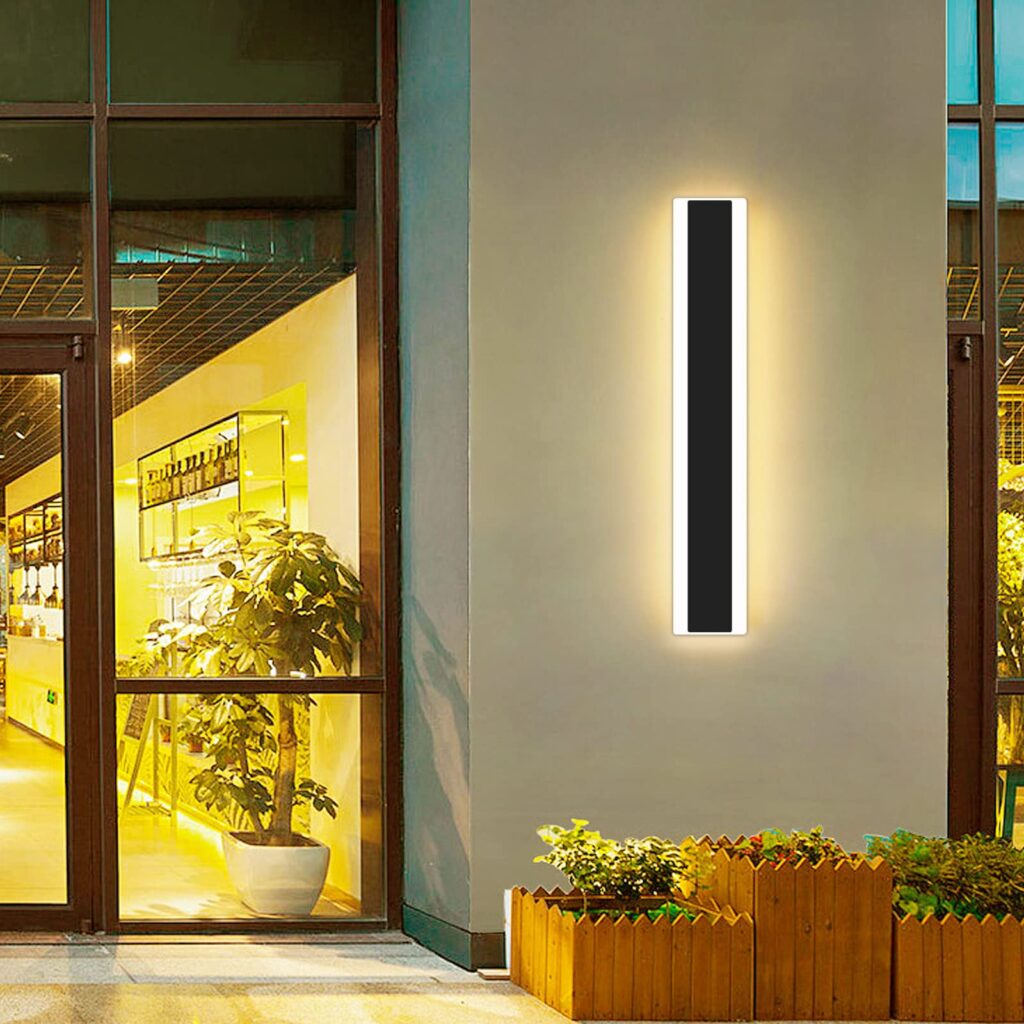
A homeowner wanted to add a decorative lantern near the front entrance. The installer used a weatherproof junction box mounted flush against the siding, providing both structural support and sealed wiring protection.
This setup allowed the fixture to withstand wind and rain while offering reliable performance. The junction box blended seamlessly with the siding, demonstrating how safety and aesthetics can work together.
Floodlight Installation on a Garage Exterior
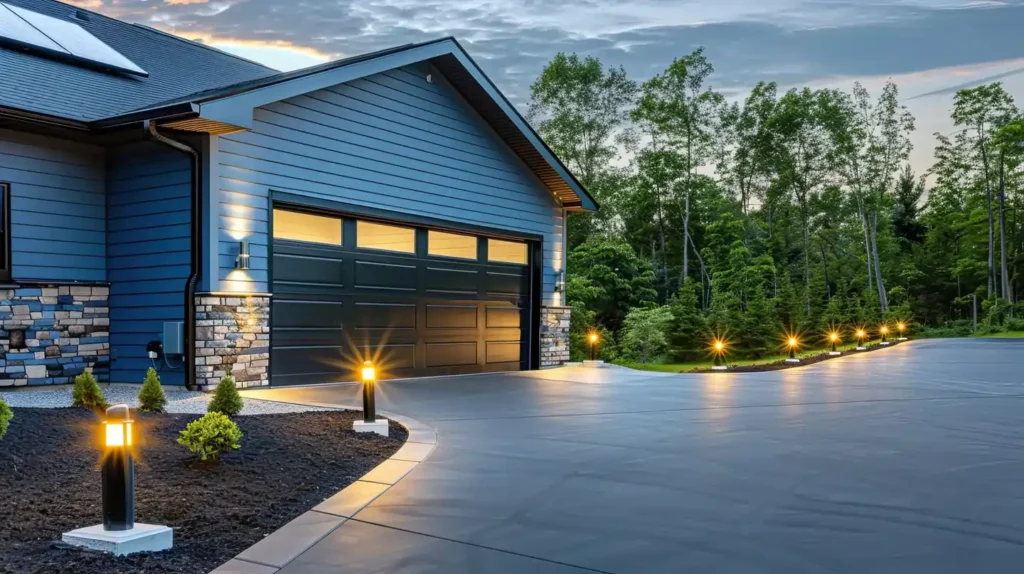
In another project, a garage exterior required bright floodlights for nighttime security. A round metal junction box was mounted directly onto masonry, allowing secure attachment of the heavy fixture.
The box included threaded openings for conduit connections, ensuring moisture could not penetrate the wiring. This example highlights how junction box selection directly impacts durability and function in outdoor lighting.
Garden Pathway Lighting System
Insert image of junction box at base of landscape lighting pole
For a landscape project, multiple low-voltage lights were installed along a garden pathway. A junction box buried at the base of the pole provided a central hub for connections, with sealed conduits running to each fixture.
This design ensured that the wiring was organized, weatherproof, and protected from soil moisture. It also simplified future maintenance, as technicians could access all connections from one secure location.
Patio Ceiling Fan with Light Kit
Insert image of ceiling-mounted junction box for outdoor fan
A covered patio installation required a ceiling fan with an integrated light. The electrician used a ceiling-rated exterior junction box, which supported the weight of the fan and provided moisture resistance.
This example demonstrates how junction boxes are not limited to wall fixtures; they are also essential for overhead applications, where stability and weatherproofing are equally critical.
Benefits of Technology in Junction Box Installations
Modern advancements have improved how junction boxes are designed and installed:
-
Smart Integration: Some junction boxes are built with compatibility for smart lighting systems, enabling easier connection of Wi-Fi or Bluetooth-enabled fixtures.
-
Pre-Sealed Designs: Innovations in gasketed covers and compression fittings reduce installation time while improving waterproofing reliability.
-
Modular Systems: Newer junction box models allow modular connections, which makes adding or replacing fixtures simpler without rewiring the entire system.
-
Durability Enhancements: Corrosion-resistant coatings and UV-resistant plastics extend the lifespan of outdoor installations, even in harsh environments.
These technologies not only make installations safer but also improve convenience for both homeowners and electricians.
Advantages of Installing a Junction Box for Outdoor Lights
Installing a junction box provides numerous benefits beyond code compliance:
-
Long-Term Safety: Protects wires from moisture, insects, and physical damage.
-
Fixture Stability: Provides a secure mount for heavy or wind-exposed fixtures.
-
Maintenance Efficiency: Organizes wiring and makes troubleshooting easier.
-
Design Flexibility: Allows for the installation of different fixture types, wall-mounted, ceiling, or post-mounted.
-
Weather Resistance: Ensures connections remain reliable even in rain, snow, or heat.
These advantages prove that a junction box is not optional but an essential component for any successful outdoor light installation.
Use Cases Where Junction Boxes Solve Real Problems
Outdoor Security Lighting

Homes in suburban or rural areas often need powerful floodlights for security. A junction box ensures these heavy fixtures are mounted securely and can handle the higher electrical load required for bright illumination.
Decorative Garden Lighting
For homeowners who want to highlight landscaping, junction boxes make it easy to organize multiple wire runs feeding low-voltage lights. They protect underground or exposed connections from soil and weather conditions.
Covered Outdoor Living Spaces
Patios and porches with ceiling fans or hanging lights rely on junction boxes to provide structural stability. They allow safe wiring for fixtures in locations where moisture could otherwise compromise electrical safety.
Frequently Asked Questions
1. Can I install a junction box for an outdoor light by myself?
It depends on your skill level. While basic installations may be manageable for DIYers, local codes often require licensed electricians for exterior electrical work. This ensures safety and compliance.
2. What type of junction box is best for outdoor lighting?
Weatherproof boxes made from PVC, fiberglass, or coated metal are ideal. Choose boxes labeled for “wet location” use to ensure proper sealing and long-term durability.
3. Do outdoor junction boxes need to be sealed?
Yes. All outdoor junction boxes must be sealed with gaskets, caulk, or compression fittings to prevent water entry. Proper sealing protects wiring and extends the life of both the box and the fixture.