Landscaping Lights Installation Near Me: Expert Guide, Benefits, and Real-World Examples
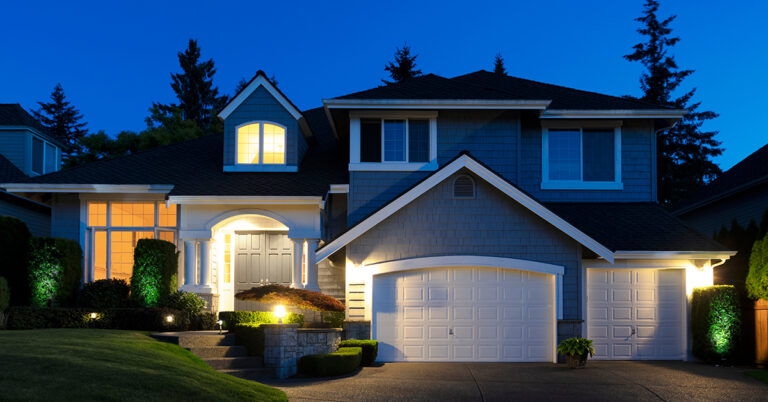
When people search for landscaping lights installation near me, they are usually looking for trusted professionals who can design, install, and maintain outdoor lighting systems. Landscaping lights are not just decorative; they serve practical purposes such as enhancing safety, improving visibility, and increasing property value.
Professional installation ensures that the system is designed to complement the natural layout of your yard or commercial space. From highlighting architectural features to illuminating pathways, landscaping lights bring out the beauty of outdoor spaces while making them functional after sunset.
Why Professional Landscaping Light Installation Matters
Landscaping lights may look simple to install, but the process requires technical knowledge and artistic design skills. A professional installer knows how to balance light placement, voltage distribution, and fixture selection to achieve the perfect effect.
Without expert help, homeowners risk issues such as uneven lighting, electrical hazards, or premature fixture failure. Professional installation guarantees safety, longevity, and efficiency. Additionally, experts can create customized designs tailored to your unique property layout, ensuring your yard looks stunning both day and night.
Benefits of Using Modern Landscaping Light Technology
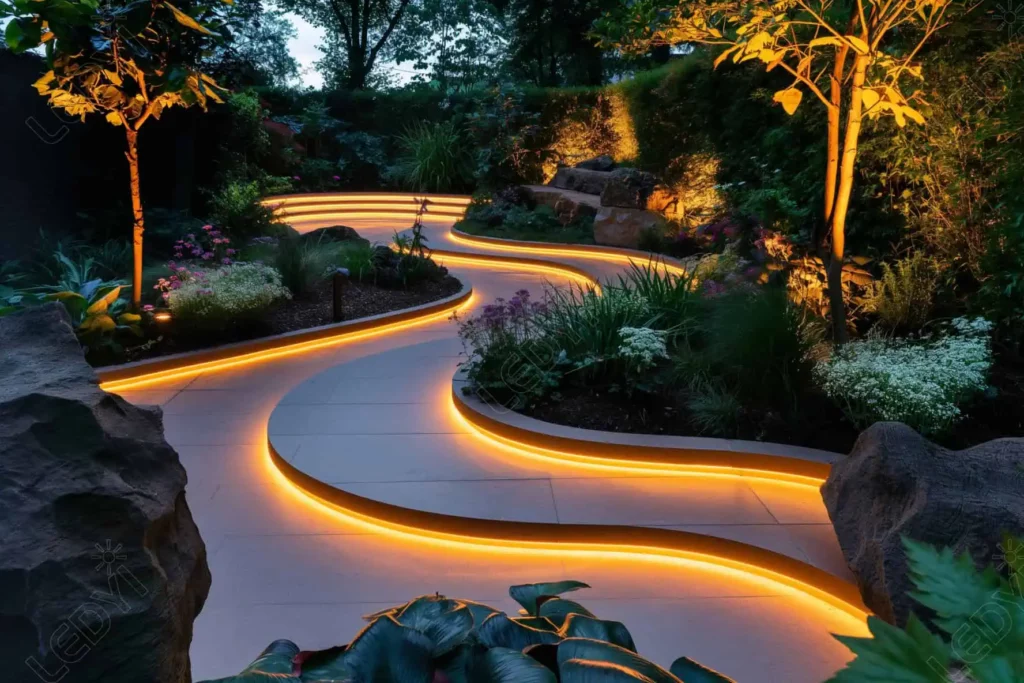
Modern landscaping light systems go beyond traditional bulbs. Today, most professionals recommend low-voltage LED lighting for outdoor spaces. LEDs consume less energy, last longer, and produce brighter illumination compared to halogen or incandescent bulbs.
Another major advancement is smart lighting technology. Many landscaping systems can now be integrated with smartphone apps or home automation systems. This allows users to control brightness, set schedules, and even program lighting effects for different occasions. Motion sensors, timers, and dimming options add convenience and improve energy efficiency.
By adopting these technologies, homeowners and businesses save on energy bills while reducing maintenance costs. Additionally, modern fixtures are built with weatherproof materials, ensuring durability in all seasons.
Real-World Examples of Landscaping Light Installations
Pathway Lighting for Safety and Style
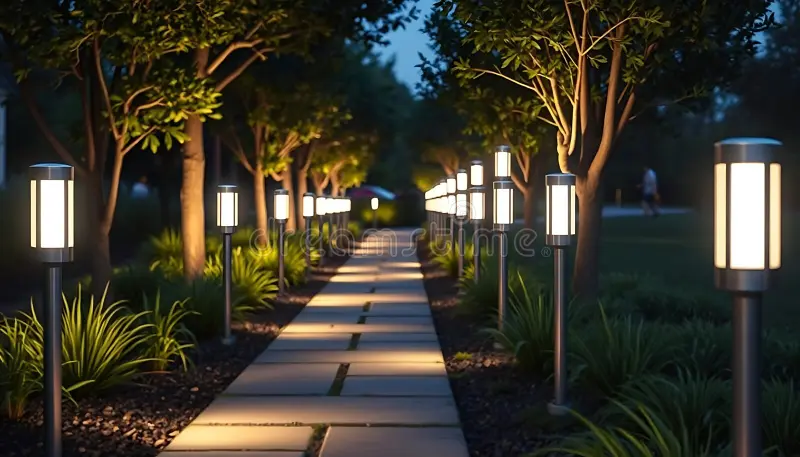
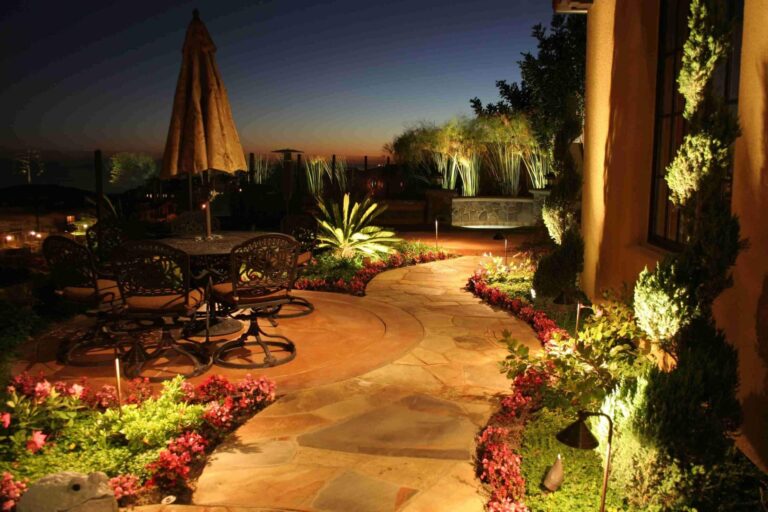
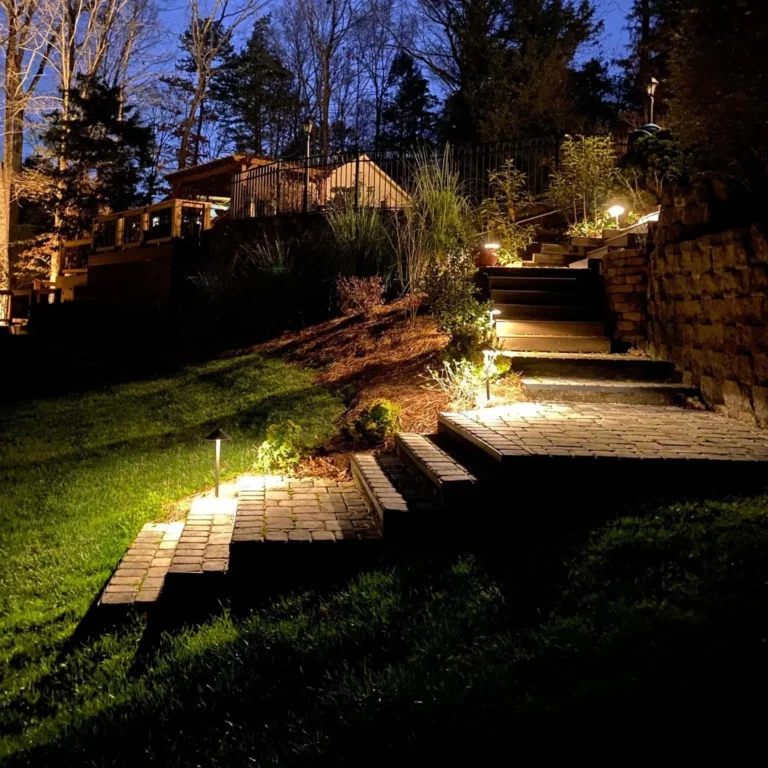
One of the most common applications of landscaping lighting is along pathways. Professionally installed path lights improve visibility, making it safer for residents and guests to walk at night. At the same time, they add elegance by highlighting garden edges and landscaping features.
For instance, a residential property with winding stone paths may use low-voltage LED bollard lights spaced evenly for both function and beauty. The result is an inviting walkway that combines safety with design.
Tree and Garden Accent Lighting
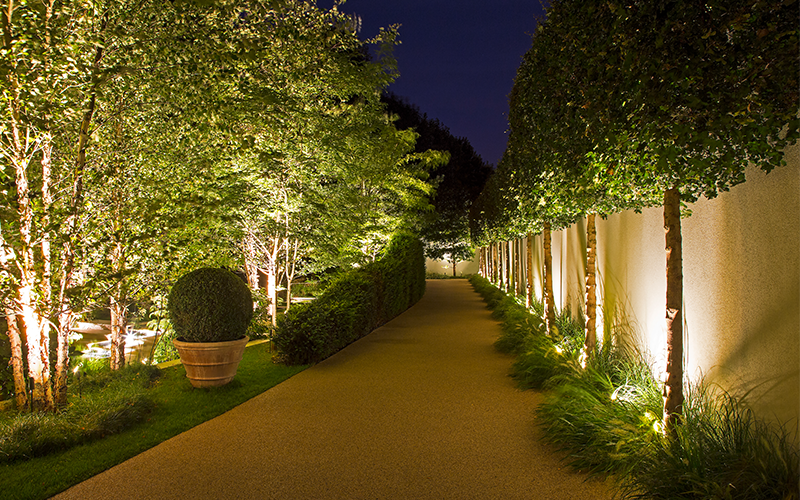
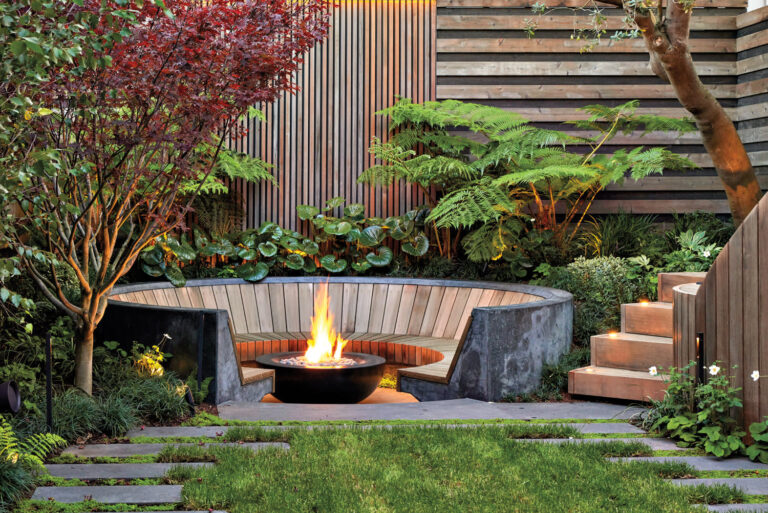
Accent lighting is used to highlight specific features, such as trees, sculptures, or water fountains. Professionals often use uplighting techniques to cast dramatic shadows and create visual interest.
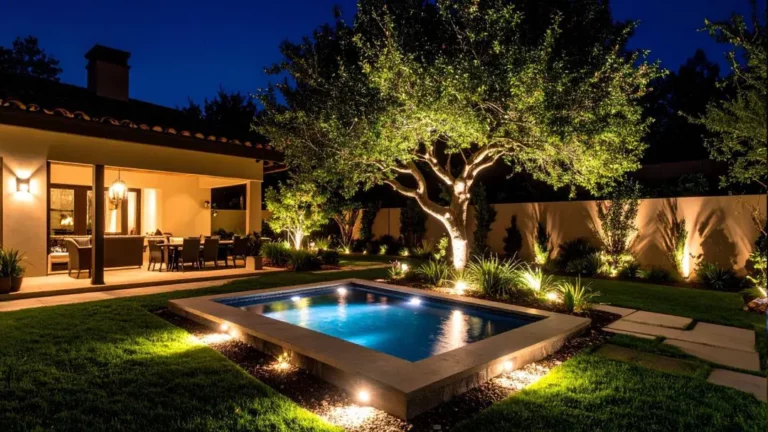
For example, a homeowner may choose to spotlight tall oak trees in the backyard. Using LED uplights at the base of the tree, the lighting enhances the property’s aesthetics while providing depth and character to the nighttime view. This type of installation transforms ordinary landscapes into breathtaking focal points.
Poolside and Patio Lighting
Outdoor living areas such as patios, decks, and pools benefit significantly from professional landscaping lights. Proper illumination ensures safety while creating a relaxing atmosphere for gatherings.
Consider a poolside installation where underwater LED fixtures are combined with soft garden lights around the deck. The result is a space that is both secure and inviting for evening entertainment. Professional companies design these systems to ensure that water and electrical components are safely integrated.
Commercial Property Landscaping Lights
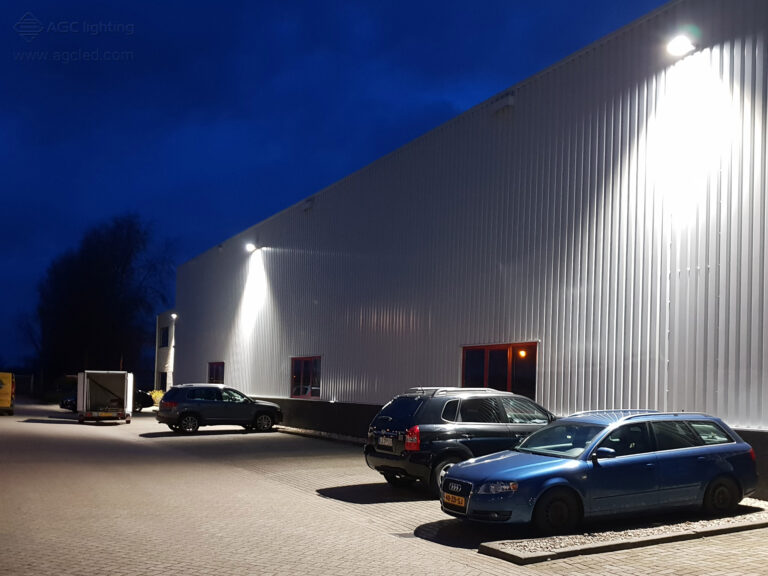
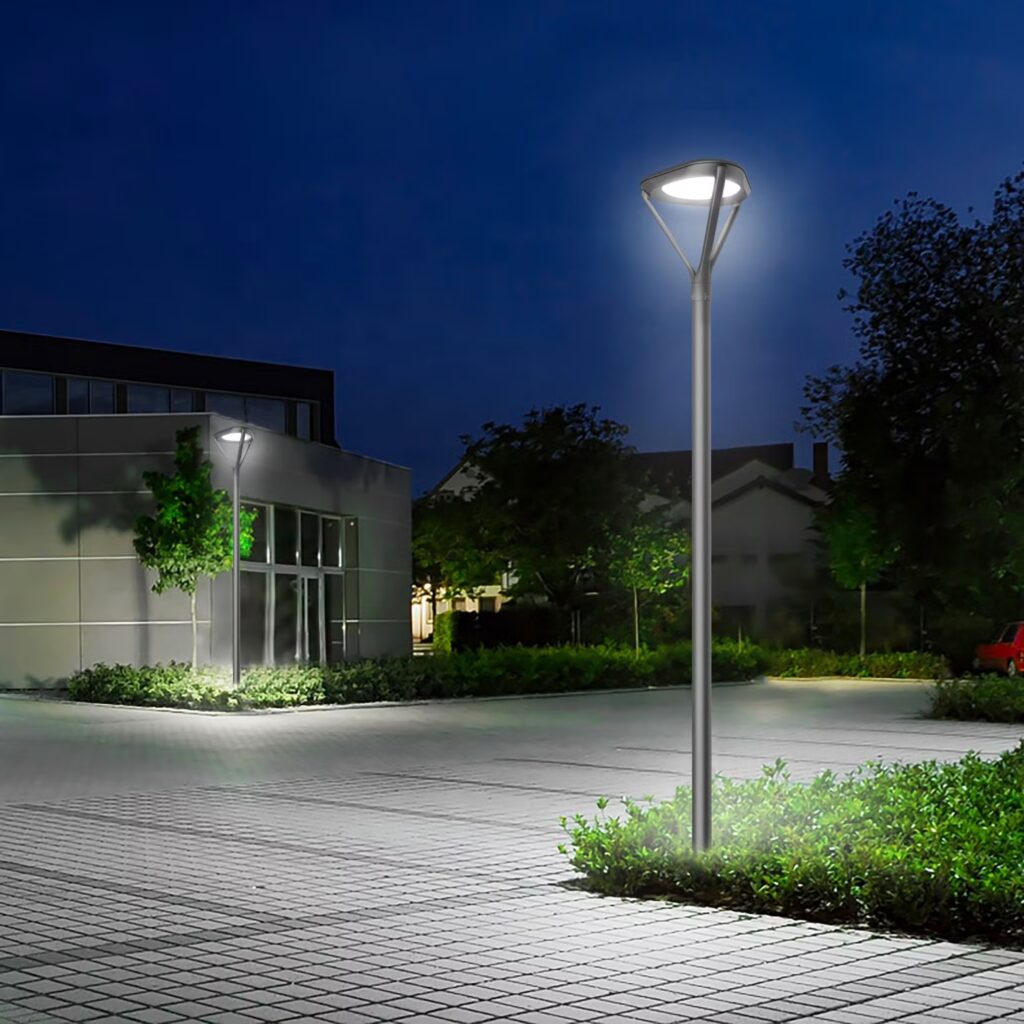
Businesses often rely on landscaping lights to attract customers and improve security. Well-lit exteriors project professionalism and ensure that visitors feel safe.
For example, a retail store may use wall sconces at the entrance, path lights along walkways, and floodlights in the parking lot. Landscaping lights not only highlight branding but also reduce the risk of accidents and crime around the premises.
Community Park and Public Spaces
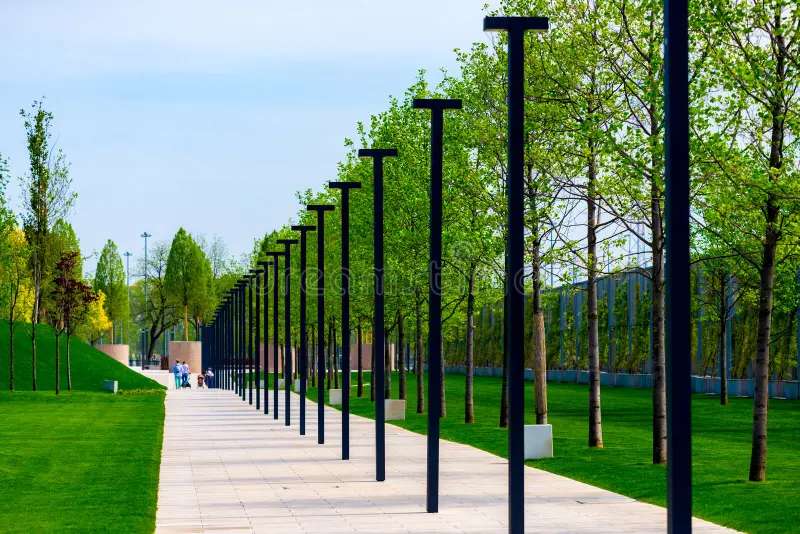
Municipalities often invest in landscaping and light installations for parks, playgrounds, and recreational areas. These projects enhance community spaces by making them safer and more welcoming at night.
For instance, a community park might feature decorative lanterns along walking paths and solar-powered LED fixtures in gathering areas. These installations extend the usability of public spaces while promoting community engagement.
Practical Benefits of Landscaping Lights
The benefits of professional landscaping lights go beyond aesthetics. They offer a combination of safety, functionality, and efficiency.
First, outdoor lights improve safety by reducing the risk of trips and falls in dark areas. Pathways, steps, and driveways become much easier to navigate with proper lighting.
Second, they enhance security. Brightly lit properties deter trespassers and provide peace of mind for homeowners and business owners alike. Motion-activated lights can further strengthen property protection.
Third, they boost property value. A well-designed lighting system makes a home or business more attractive to potential buyers or clients. Real estate professionals often note that good landscaping and lighting significantly increase curb appeal.
Finally, modern systems deliver cost savings. With energy-efficient LEDs and smart controls, property owners reduce long-term energy consumption and maintenance costs.
Common Problems Solved by Landscaping Lights
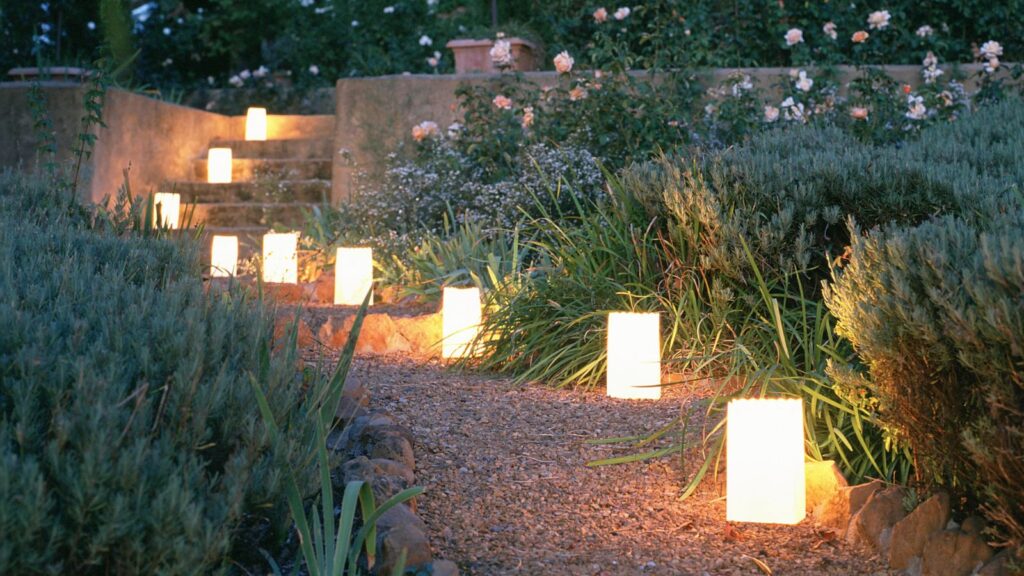
Poor visibility is one of the biggest issues that landscaping lights address. Without proper lighting, outdoor areas such as stairs, driveways, or gardens become hazardous at night. Landscaping lights eliminate these dangers by creating a safe environment.
Another problem is a lack of security. Dark corners and unlit exteriors create opportunities for unwanted visitors. Strategically placed floodlights and motion sensors improve surveillance and deter intruders.
Additionally, many properties lose their charm after sunset. Landscaping lights solve this by enhancing beauty and functionality, allowing property owners to enjoy outdoor spaces at all hours. For businesses, this also means attracting customers during evening hours.
Lastly, energy waste is a concern. Professional installers recommend LED and smart solutions that cut down unnecessary electricity usage while still providing reliable illumination.
Frequently Asked Questions
1. How do professionals design landscaping light installations?
Professionals start with a site assessment, identifying areas that require safety lighting, accent features, and potential security risks. They then create a customized plan that balances function, aesthetics, and energy efficiency.
2. Are LED landscaping lights better than traditional bulbs?
Yes. LED lights consume less energy, last much longer, and produce brighter illumination compared to halogen or incandescent bulbs. They are also more environmentally friendly and cost-effective in the long run.
3. Can landscaping lights be integrated with smart home systems?
Absolutely. Many modern systems allow integration with apps and automation platforms, enabling remote control, scheduling, dimming, and motion-activated responses for convenience and efficiency.