Low Voltage Landscape Lighting Contractors: Complete Guide, Benefits, and Real-World Examples
Low-voltage landscape lighting has become one of the most popular outdoor lighting solutions for residential and commercial properties. It combines energy efficiency, safety, and versatility to create stunning outdoor environments. When searching for low-voltage landscape lighting contractors, property owners are looking for professionals who specialize in designing, installing, and maintaining these systems.
Unlike traditional high-voltage systems, low-voltage lighting typically runs on 12 volts, making it much safer and more efficient. Contractors are essential in ensuring these systems are installed correctly, with proper transformer sizing, wiring layouts, and fixture placement. Their expertise transforms ordinary outdoor spaces into secure, inviting, and visually captivating landscapes.
Why Choose Professional Low-Voltage Landscape Lighting Contractors
Hiring professional contractors ensures that your outdoor lighting project is not only functional but also aesthetically pleasing and long-lasting. These experts understand how to design systems that meet both safety and creative goals. By considering factors like terrain, vegetation, and architectural elements, they strategically place fixtures to achieve balanced and elegant illumination.
Another key reason to rely on contractors is their knowledge of electrical safety. Even though low-voltage systems are safer than high-voltage systems, improper installation can still lead to performance issues, frequent maintenance, or even hazards. Contractors ensure proper wiring, correct transformer placement, and the use of weatherproof fixtures, protecting the system against environmental challenges.
Benefits of Low-Voltage Landscape Lighting Installation
Low-voltage landscape lighting provides multiple benefits that make it the preferred choice for many property owners. One of the most notable advantages is energy efficiency. These systems consume far less electricity compared to traditional options, especially when paired with LED technology. This results in significant cost savings over time.
Another benefit is safety. Since the system operates at 12 volts, the risk of electrical shock is minimized, making it safer for children, pets, and outdoor use in general. This lower voltage also allows for more flexible installation, enabling contractors to place fixtures closer to plants, pathways, and water features without concerns of high-voltage hazards.
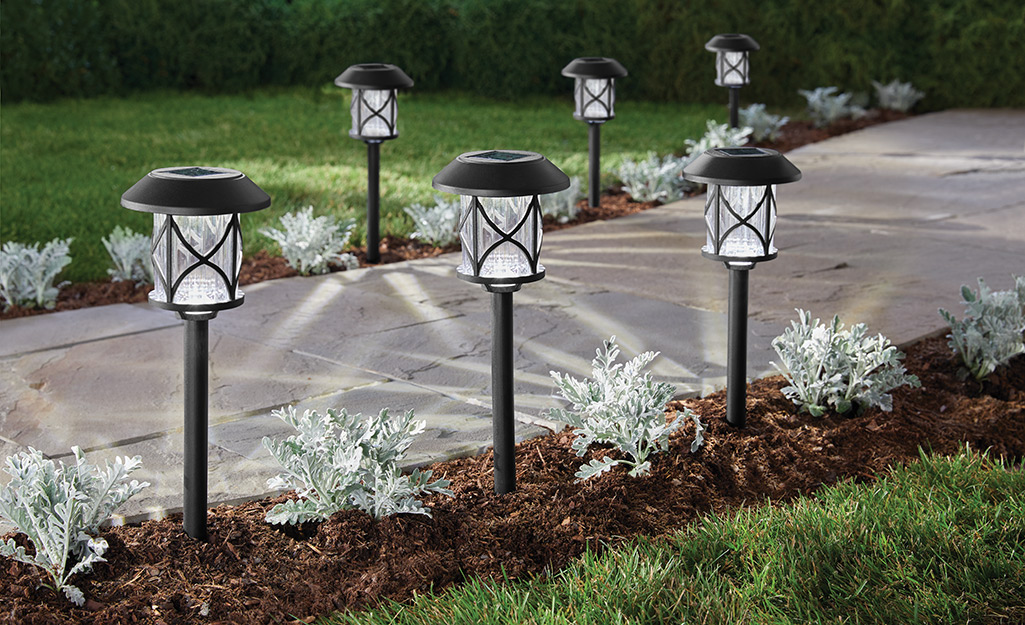
Additionally, low-voltage lighting offers design versatility. Contractors can use different fixture types, such as path lights, spotlights, and floodlights, to highlight architectural features, landscaping elements, or outdoor living spaces. The result is a tailored lighting system that enhances both beauty and functionality.
Real-World Examples of Low-Voltage Landscape Lighting Contractor Projects
Residential Pathway and Garden Lighting
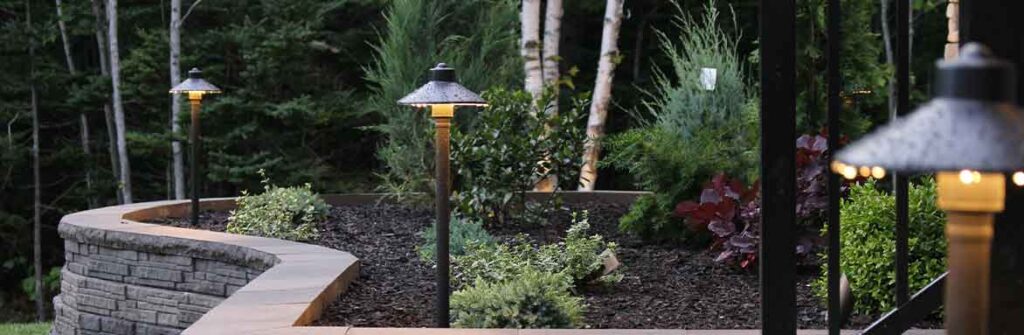
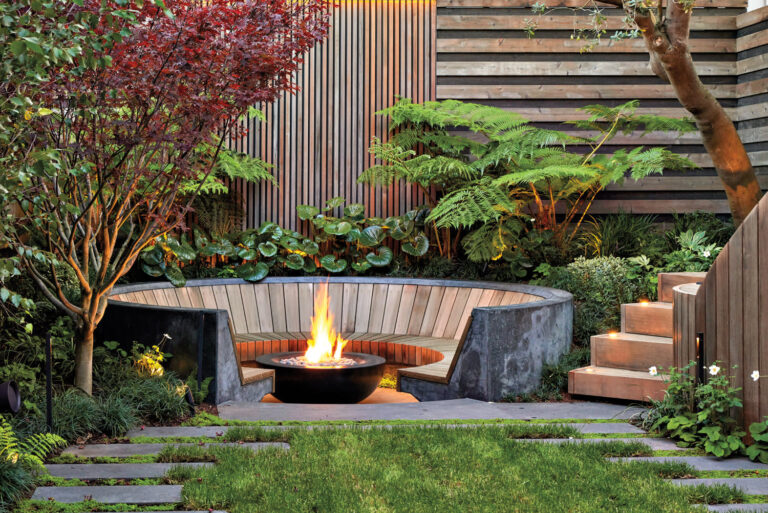
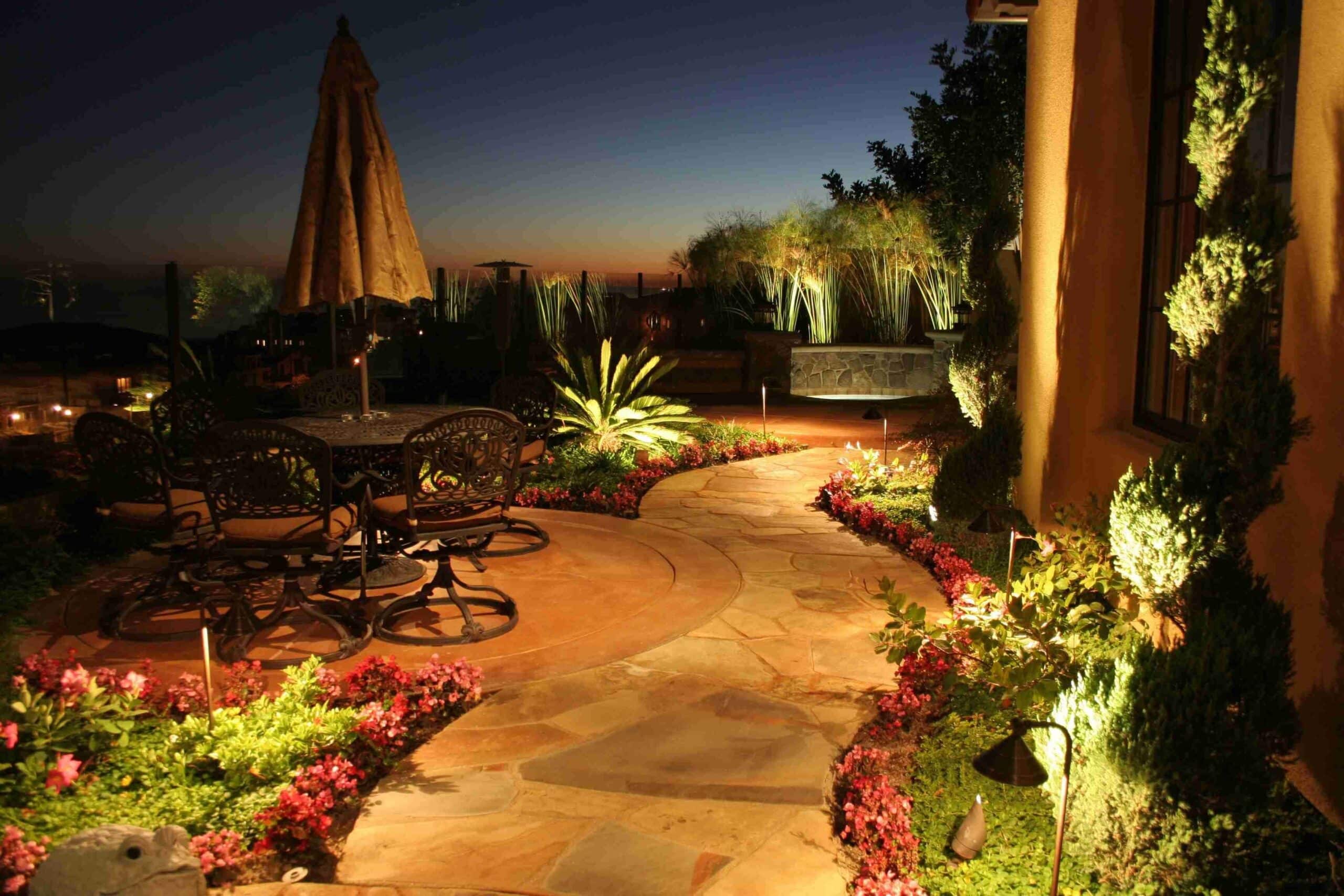
One of the most common projects contractors handle is residential pathway and garden lighting. Homeowners want to make their properties both beautiful and safe after sunset. Low-voltage lighting is perfect for this purpose because it provides sufficient illumination without overwhelming brightness.
Contractors often install path lights to guide residents and guests safely along walkways. Spotlights may be added to accentuate flowerbeds, trees, or water features. The result is a balanced blend of security and visual appeal, making outdoor areas more functional and enjoyable at night.
Commercial Building Exterior Lighting
Businesses also rely heavily on low-voltage landscape lighting contractors. For example, office complexes and retail properties need exterior lighting that not only improves visibility but also projects a professional image. Low-voltage systems are particularly well-suited for these applications due to their energy savings and reduced maintenance needs.
Contractors may design lighting that highlights architectural facades while ensuring safe access to entrances and parking areas. The use of low-voltage spotlights and wall washers creates a polished look that enhances the brand image of the business while keeping energy bills manageable.
Public Park and Community Spaces
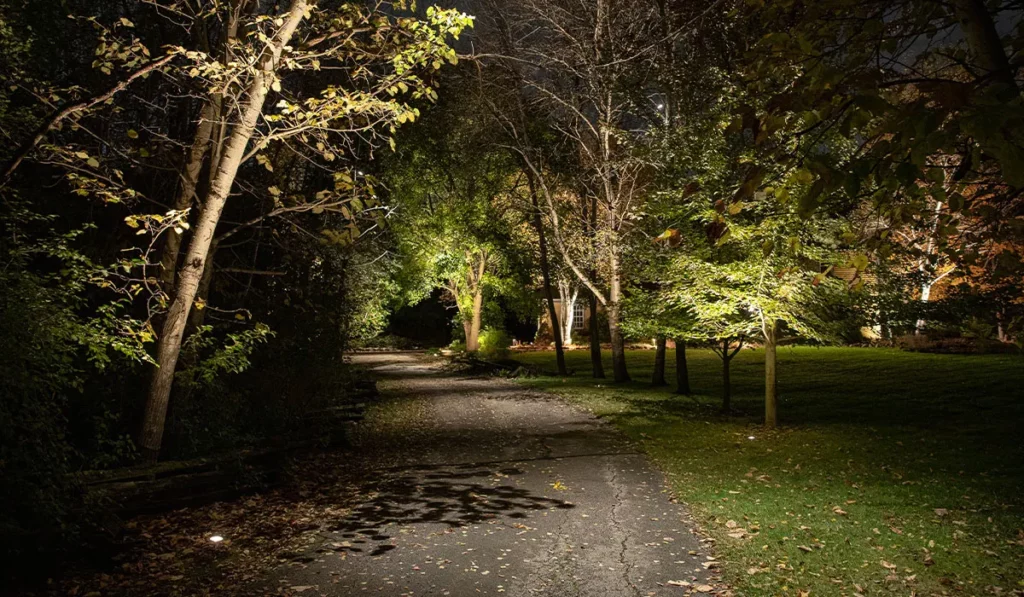
Municipal projects often employ low-voltage systems for parks, trails, and other public spaces. Contractors design lighting solutions that ensure safety for evening activities while maintaining a warm and inviting atmosphere. Since low-voltage lighting is safer and easier to maintain, it’s an ideal choice for public areas where both aesthetics and cost efficiency are priorities.
For instance, pole-mounted low-voltage fixtures can be used along walking trails, while accent lights highlight playgrounds or community monuments. These designs help create safe, enjoyable public spaces that residents can use even after sunset.
Luxury Residential and Resort Lighting
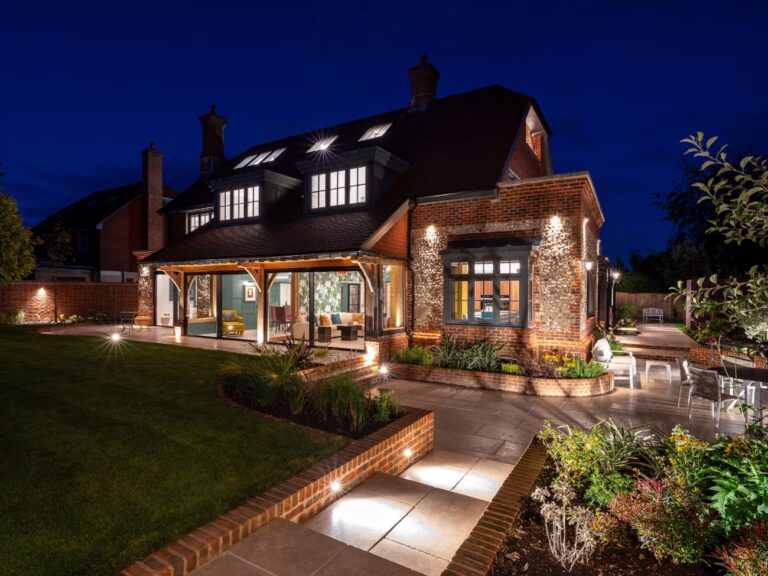
High-end residential properties and resorts often demand elegant outdoor lighting to create unique atmospheres. Contractors design systems that emphasize luxury while ensuring practicality. Low-voltage lighting is often chosen for its ability to create ambiance without overwhelming brightness.
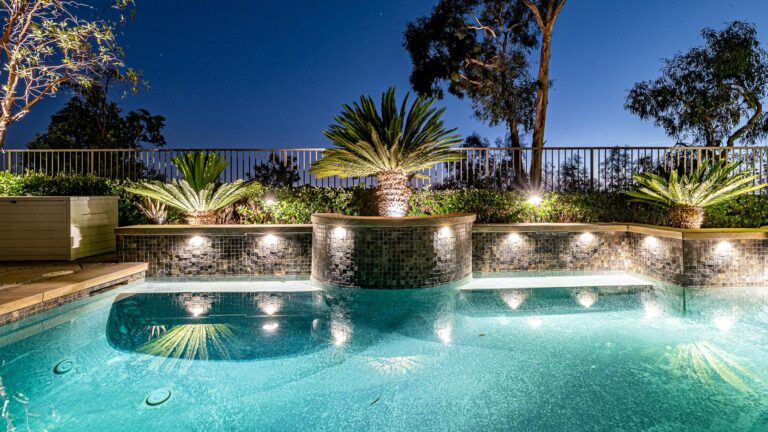
Resorts frequently use uplighting on palm trees, subtle downlighting for pathways, and accent lights for pools and gardens. This creates a sense of luxury while maintaining safety for guests. Contractors working in these environments must balance artistry with technical precision to achieve stunning results.
How Technology Enhances Low-Voltage Landscape Lighting
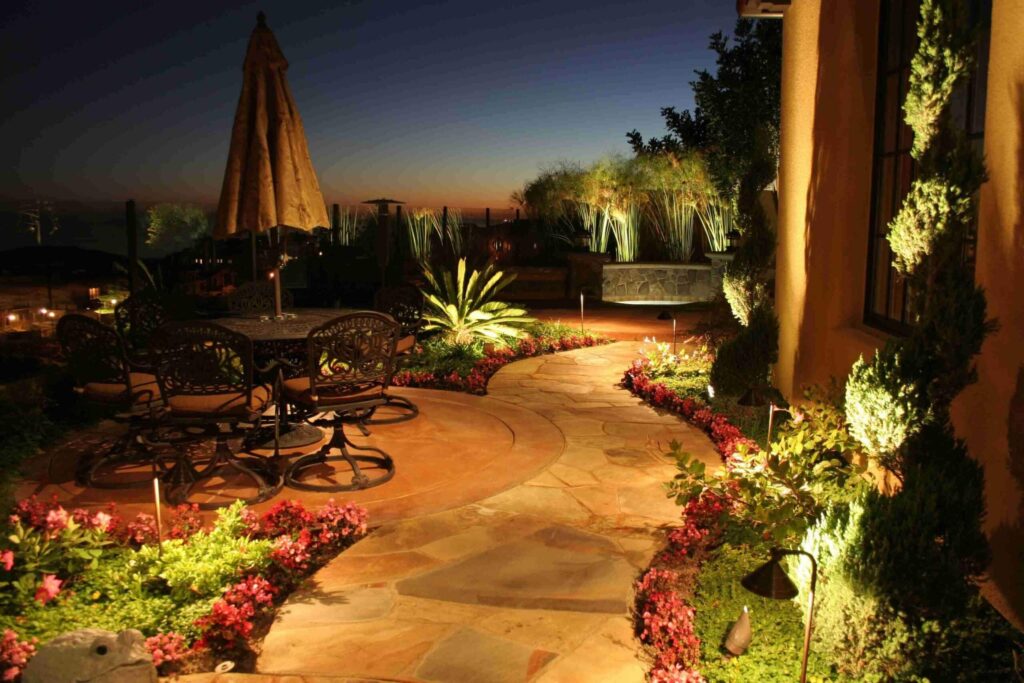
Technology has revolutionized the field of landscape lighting, and contractors leverage these advancements to deliver superior results. One of the most impactful innovations is the integration of LED technology. LED low-voltage fixtures provide bright, consistent illumination while using a fraction of the energy compared to traditional bulbs. They also last significantly longer, reducing replacement frequency and maintenance costs.
Another major advancement is smart lighting controls. Contractors now install systems that can be managed remotely via smartphone apps or integrated into home automation systems. This allows property owners to adjust brightness, change lighting schedules, or even switch between different lighting effects with ease.
In addition, many modern low-voltage fixtures are designed with durability in mind. Weather-resistant housings, corrosion-proof materials, and advanced optics ensure that the system performs reliably in all conditions. Contractors use these technologies to provide solutions that are not only beautiful but also long-lasting and efficient.
Practical Use Cases and Problem-Solving with Low Voltage Lighting Contractors
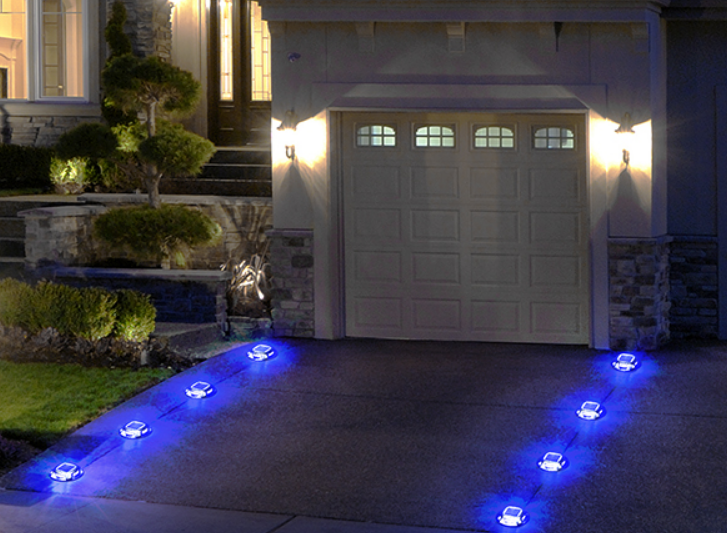
Low-voltage landscape lighting contractors address a wide range of real-world problems through their expertise. One of the most common challenges is poor visibility at night. Walkways, driveways, and outdoor stairs can be hazardous without proper illumination. Contractors design systems that minimize these risks while maintaining a stylish appearance.
Another issue is property security. Dark areas around homes or businesses can become targets for trespassers. Contractors use low-voltage floodlights, motion-activated fixtures, and perimeter lighting to eliminate shadows and deter unwanted activity. This makes properties safer while enhancing peace of mind.
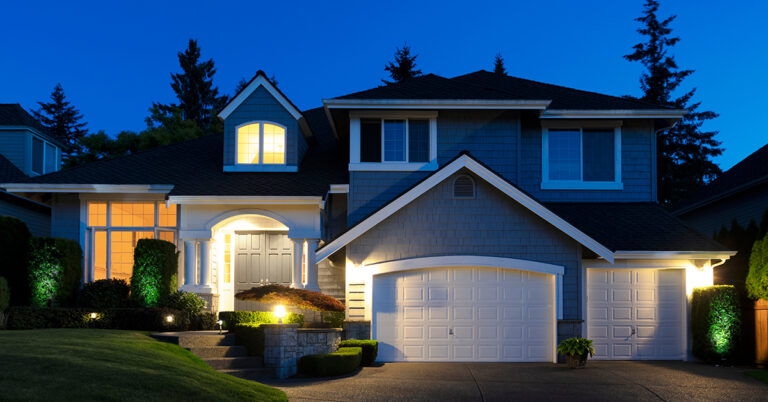
Aesthetic concerns are also frequently addressed. Many properties lose their appeal after dark, but contractors highlight architectural features, trees, and gardens to enhance nighttime curb appeal. This increases property value and makes outdoor areas more inviting for evening gatherings.
Lastly, contractors solve the problem of energy inefficiency. By designing systems with LED fixtures and smart controls, they significantly reduce electricity consumption without compromising brightness or performance. This ensures that outdoor lighting is not only functional but also sustainable.
Frequently Asked Questions
1. What makes low-voltage landscape lighting better than traditional high-voltage systems?
Low-voltage systems are safer, more energy-efficient, and easier to install. They provide sufficient illumination for most outdoor applications while consuming less electricity and offering greater design flexibility.
2. How long do low-voltage LED fixtures typically last?
Most LED low-voltage fixtures last between 25,000 and 50,000 hours. This extended lifespan reduces the need for frequent replacements, making them a cost-effective solution over time.
3. Can low-voltage lighting systems be integrated with smart technology?
Yes. Many modern systems allow integration with smart controls, enabling property owners to adjust lighting remotely, set schedules, and even customize lighting effects for different occasions.