Outdoor Hanging Lights Installation: Expert Guide, Benefits, and Real-World Applications
Outdoor hanging lights have become one of the most versatile and attractive options for illuminating exterior spaces. More than just functional fixtures, they serve as design elements that add depth, warmth, and elegance to patios, porches, gardens, and entertainment areas. When done correctly, outdoor hanging lights installation enhances both safety and aesthetic appeal, turning ordinary outdoor areas into extensions of living spaces.
Unlike wall sconces or ground-level fixtures, hanging lights add vertical dimension and create focal points that draw the eye. They can be rustic, modern, or luxurious in style, making them adaptable to any architectural theme. Proper installation ensures longevity, safety, and a balanced glow that suits the intended environment.
Why Outdoor Hanging Lights Installation Matters
Blending Functionality and Style
Outdoor hanging lights are more than illumination tools; they act as decorative pieces that transform the atmosphere. A pendant light over a dining area or a chandelier suspended from a patio ceiling instantly creates ambiance while serving a practical purpose. By integrating the right fixtures, homeowners and designers can achieve harmony between style and function.
These lights also improve usability by extending the functionality of outdoor spaces. Even after sunset, areas such as pergolas or garden retreats remain vibrant, safe, and welcoming.
Weather Durability and Longevity
A significant aspect of outdoor hanging lights installation is durability. These fixtures are exposed to rain, wind, humidity, and sunlight, making material quality and weather resistance critical. Stainless steel, marine-grade aluminum, and powder-coated finishes help ensure resilience against environmental challenges.
With correct installation techniques such as weatherproof junction boxes, sealed wiring, and corrosion-resistant chains, these lights last for years without compromising performance or safety.
Key Considerations in Outdoor Hanging Lights Installation
Placement and Proportions
Choosing the right placement is fundamental. Hanging lights must be positioned at an appropriate height to prevent obstruction while still providing effective illumination. For dining areas, fixtures are often hung lower for intimate lighting, while entryways or walkways may require higher placement to ensure clearance and functionality.
The size and scale of the light relative to the space are equally important. Oversized fixtures may overwhelm smaller porches, while undersized lights can look lost in larger patios. Correct proportions create a cohesive visual effect that enhances overall design.
Electrical Safety and Professional Setup

Because these lights operate outdoors, strict safety measures must be followed during installation. Using weatherproof electrical boxes, watertight seals, and grounded wiring protects the system from moisture-related issues. In many cases, hiring a professional ensures compliance with local building codes and guarantees that installations remain safe and reliable.
DIY approaches are suitable for plug-in or string lights, but less ideal for hardwired pendants or chandeliers. Improper wiring may lead to hazards or reduce fixture lifespan, making expert guidance a worthwhile investment.
Real-World Examples of Outdoor Hanging Lights Installation
Pergola Lighting with Lantern-Style Fixtures
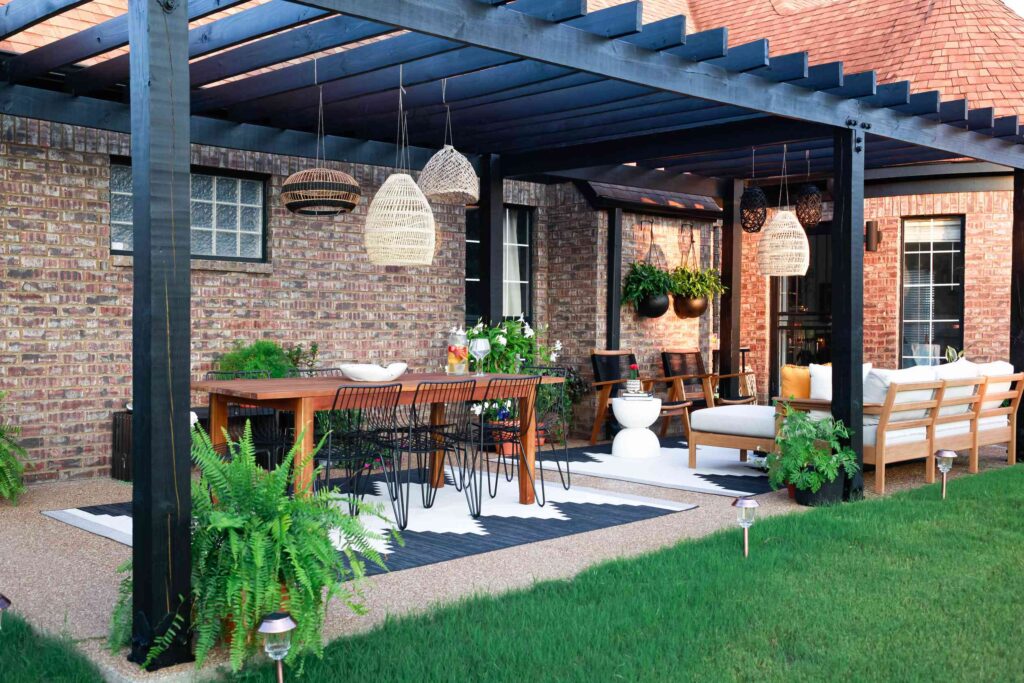
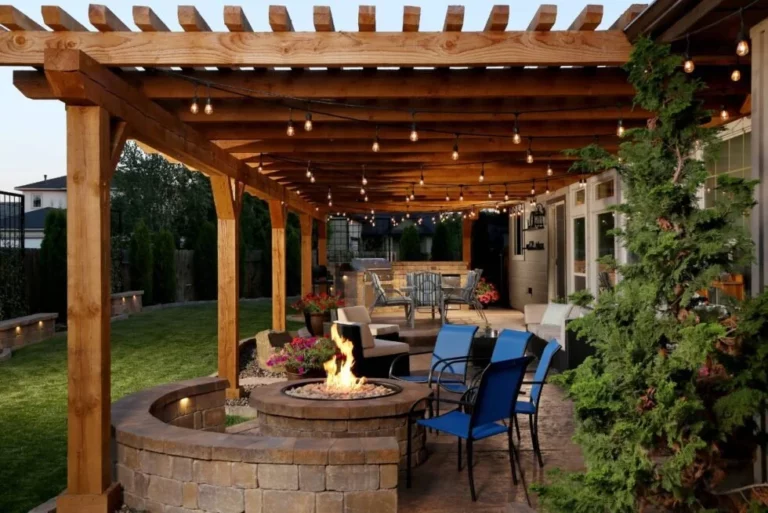
A suburban backyard was transformed into a dining oasis with the installation of hanging lanterns on a wooden pergola. The lanterns provided soft, diffused light, turning evening meals into warm, intimate gatherings.
This example demonstrates how carefully installed lanterns not only serve a practical function but also enhance architectural structures. The lights emphasized the pergola’s craftsmanship while creating a focal point for outdoor entertainment.
Patio Chandeliers for a Luxurious Touch
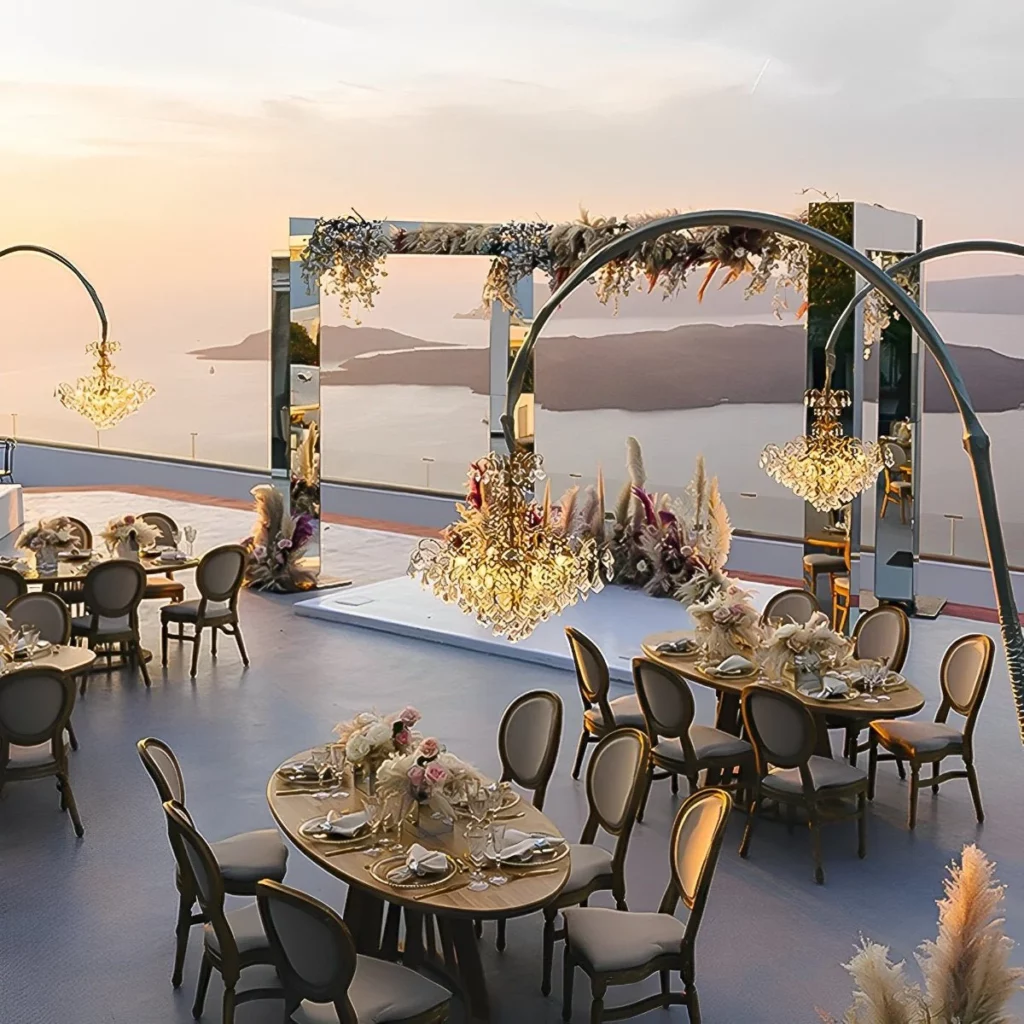
For a luxury residence, wrought-iron chandeliers were installed on a covered patio ceiling. These large fixtures provided balance, symmetry, and grandeur while ensuring the space was well-lit for hosting guests.
The installation highlighted how chandeliers can be adapted to outdoor use, bringing elegance normally reserved for interiors into exterior living areas. Weatherproofing and correct wiring were essential to ensure durability in this high-humidity region.
String Lights in a Garden Retreat
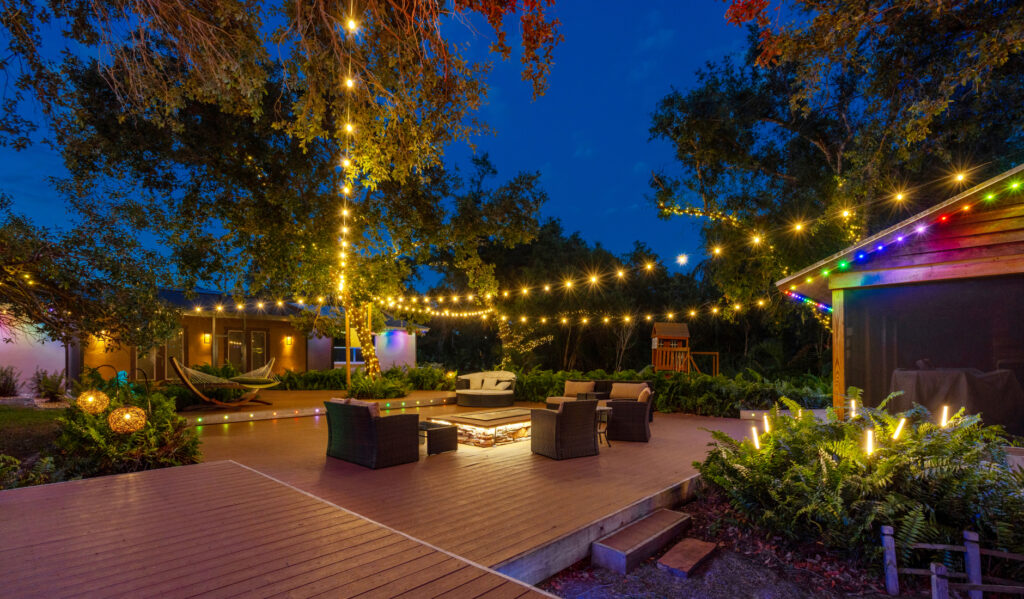
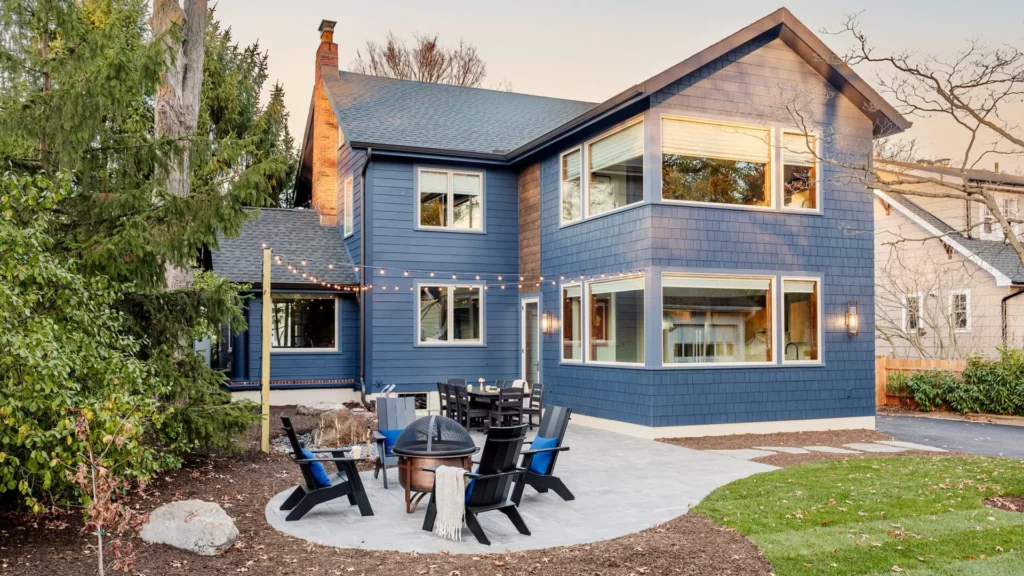
In a landscaped garden retreat, string-style hanging lights were installed between trees and above seating areas. The subtle glow created a whimsical, inviting atmosphere for evening relaxation.
Though simpler than chandeliers or pendants, string lights require thoughtful spacing and secure hanging to achieve both safety and design balance. This example underscores how even casual lighting solutions can create an immersive ambiance with proper installation.
Coastal Porch with Marine-Grade Pendants
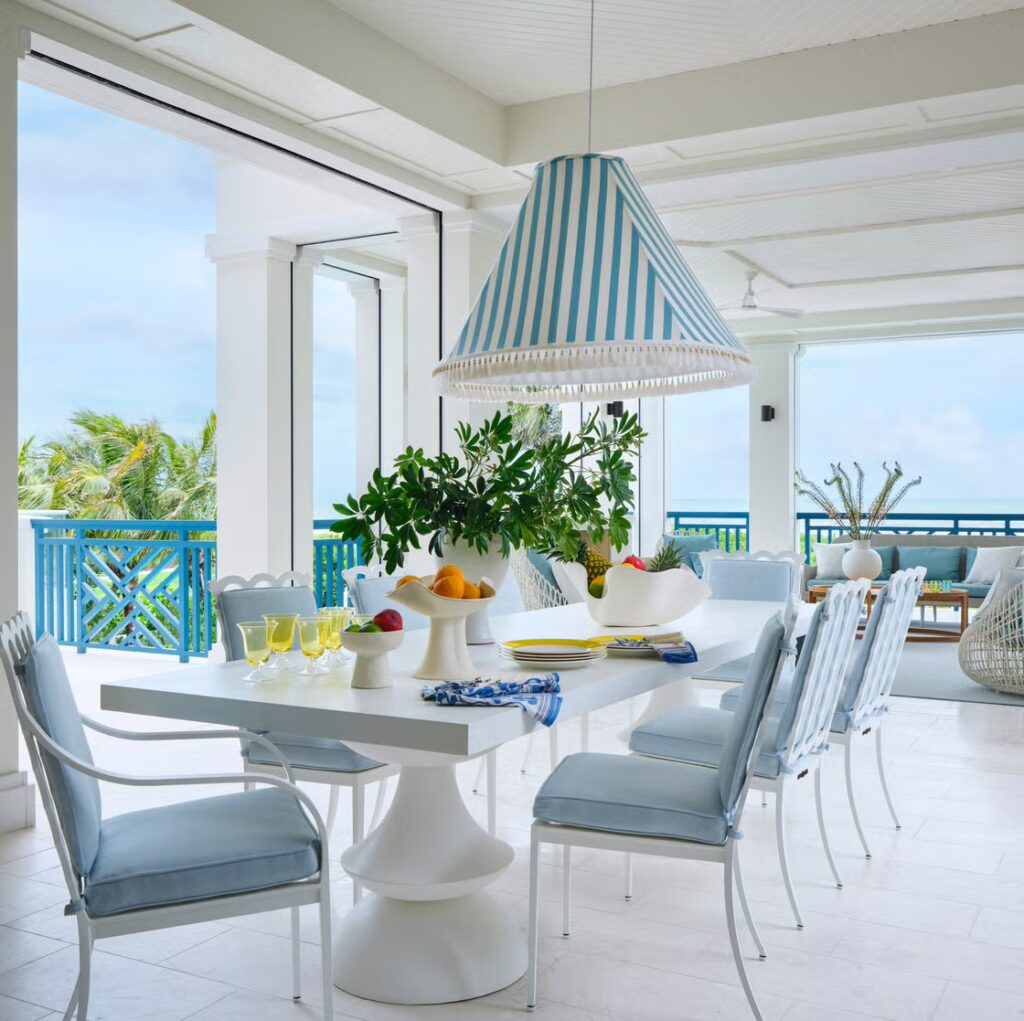
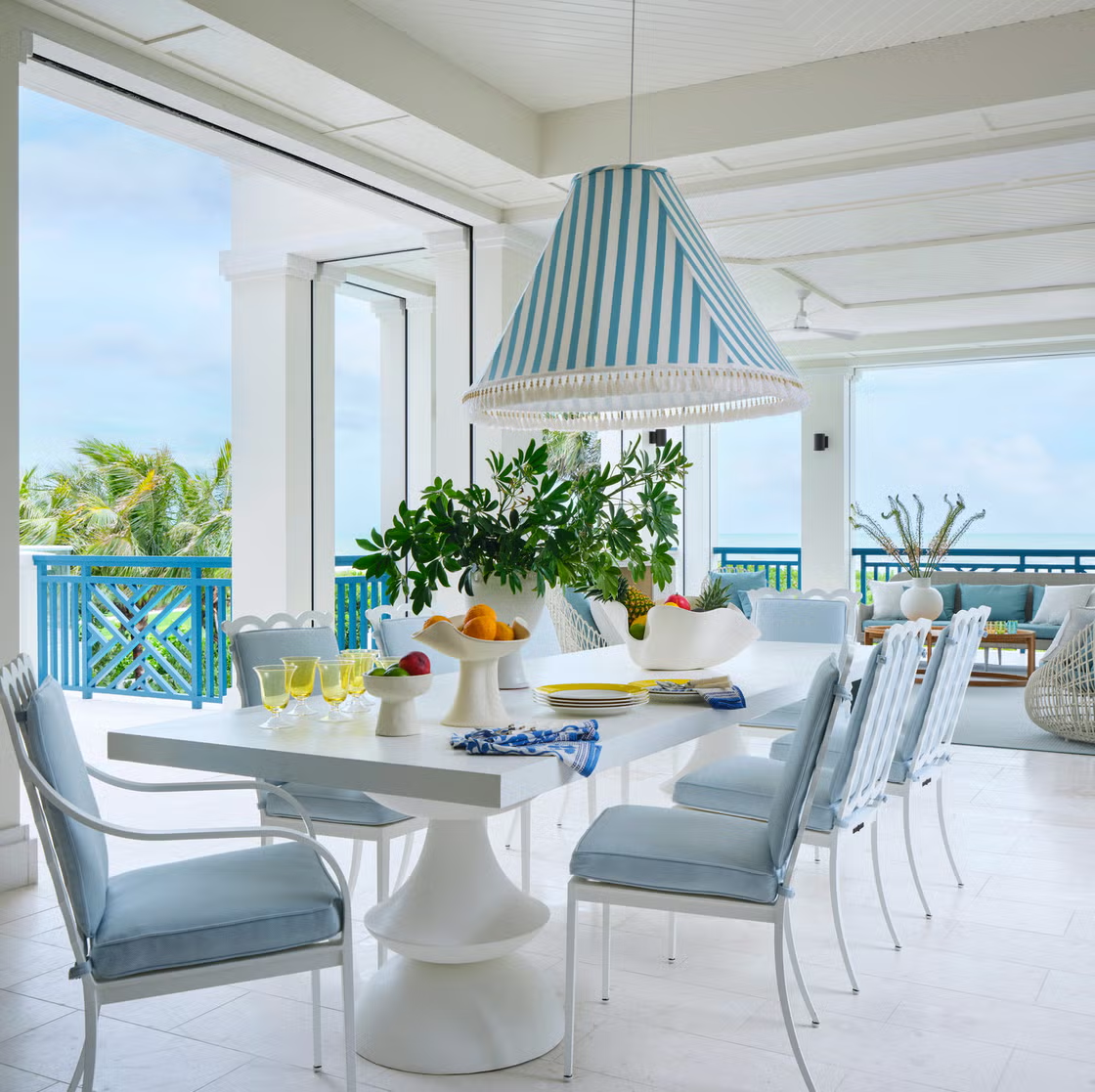
On a beachfront property, marine-grade hanging pendants were chosen for a front porch. Their design complemented the home’s nautical architecture while withstanding salty air and high winds.
This example illustrates the importance of selecting fixtures tailored to the environment. The use of corrosion-resistant materials ensured that the pendants retained their appearance and functionality despite harsh coastal conditions.
Benefits of Technology in Outdoor Hanging Lights
Technological advancements have significantly improved outdoor hanging light installations.
-
Energy Efficiency with LEDs: Modern outdoor lights often integrate LEDs, which consume far less energy than traditional bulbs while offering a lifespan of 25,000+ hours.
-
Smart Home Integration: Many hanging lights can now be connected to smart systems for remote control, dimming, or automated schedules. This adds convenience and adaptability.
-
Eco-Friendly Innovations: Solar-powered or low-voltage options reduce environmental impact while cutting utility costs.
-
Consistent Performance: Unlike older lighting systems, modern technology provides steady illumination with adjustable color temperatures to set the mood.
These innovations make outdoor hanging lights not only more practical but also more sustainable, catering to both modern lifestyles and environmental concerns.
Advantages of Outdoor Hanging Lights Installation
One of the main advantages is the enhanced functionality of outdoor spaces. Hanging lights make patios, porches, and gardens usable after dark, encouraging more time spent outdoors.
Another key benefit is aesthetic improvement. A thoughtfully installed fixture can completely alter the perception of a space, adding elegance and sophistication.
Additionally, safety and security are greatly improved. Proper illumination reduces trip hazards and deters potential intruders, offering peace of mind for homeowners.
The installation also contributes to property value. Well-designed outdoor lighting boosts curb appeal and makes homes more attractive to potential buyers.
Use Cases of Outdoor Hanging Lights Installation
Residential Homes
For homeowners, hanging lights are often used to enhance patios, porches, or dining areas. They extend the usability of outdoor spaces while creating inviting atmospheres that reflect personal style.
Hospitality Venues
Hotels and restaurants use outdoor hanging lights to create immersive experiences. Whether chandeliers over an outdoor dining area or string lights above a courtyard, they set the mood and reinforce brand identity.
Event and Seasonal Settings
Outdoor hanging lights are widely used for weddings, celebrations, and seasonal gatherings. From rustic barns with chandeliers to gardens with suspended lanterns, lighting installation sets the tone for memorable events.
Frequently Asked Questions
1. At what height should outdoor hanging lights be installed?
For walkways and patios, lights should be hung at least 7 feet above the ground. Over dining tables, they may be hung lower, around 30 to 36 inches above the table, depending on fixture size.
2. Are outdoor hanging lights safe in all weather conditions?
Yes, provided they are weather-rated and installed correctly. Fixtures with IP-rated enclosures and corrosion-resistant materials are designed to withstand rain, wind, and humidity.
3. Can outdoor hanging lights be installed without professional help?
String or plug-in lights are relatively easy to install without an electrician. However, hardwired fixtures like pendants or chandeliers should be professionally installed to ensure safety and compliance with local electrical codes.